 Like
Like

Top 10 alternatives to Babbel for language learners

Babbel is perhaps one of the most recognisable names in online language learning - but it’s far from the only option! Whether you’re looking for live conversation practice, immersive learning, or a platform that adapts to your personal learning style, there are plenty of strong Babbel alternatives to try out for enhanced progress.
From AI-powered tools to online classes with real teachers, today’s learners have more choice than ever before, allowing them to explore multiple languages and study methods.
In this guide, we'll explore the top 10 alternatives to Babbel available on GooglePlay to help you find the best language learning app for your goals, budget, and ambitions - let's make learning speaking skills and new vocabulary more accessible and enjoyable!
Content Table
Key takeaways
-
FindTutors and GoStudent connect learners with vetted, profressional private teachers
-
Busuu and Italki are suitable options for students who enjoy social learning features
-
Memrise and Duolingo can be helpful for learners seeking quick-fire practice sessions
-
FluentU and Rosetta Stone take an immersive approach to language acquisition
-
Preply and Lingoda offer benefits for those learning languages for professional development
FindTutors – personalised language learning
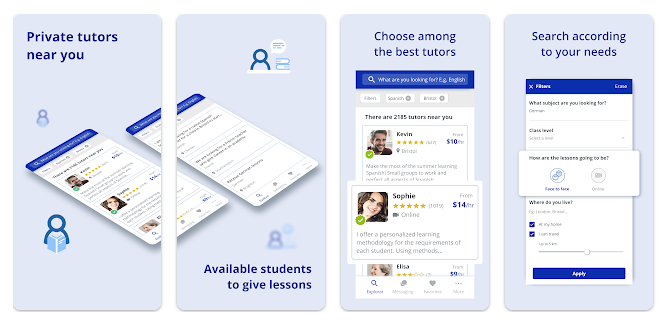
Best for: Learners seeking tailored, one-to-one language lessons
Price: App free to download; no subscription costs; average tutor rates between ~£12-£30.
Format: Online and in-person tutoring
The FindTutors app connects you with experienced tutors who adapt every lesson to your unique learning goals - whether you're looking for casual French conversation practice, official Spanish exam prep, or Mandarin classes for professional development. You can filter by language, budget, availability, and experience, making it quick and easy to find the right tutor.
Rather than relying on automated speech recognition technology or generic exercises, FindTutors offers human interaction and specific lesson plans built around your target language goals. Developing a connection with a human tutor helps to create acountability, boosting the motivation to continue learning after the novelty of a language app has worn off!
Why FindTutors stands out:
-
Fully personalised lessons
-
Real conversations with native speakers
-
Human feedback and encouragement
-
Ideal for beginners and advanced learners alike
-
Various study options: in-person classes, online, lessons, and hybrid learning formats
GoStudent – structured one-to-one learning
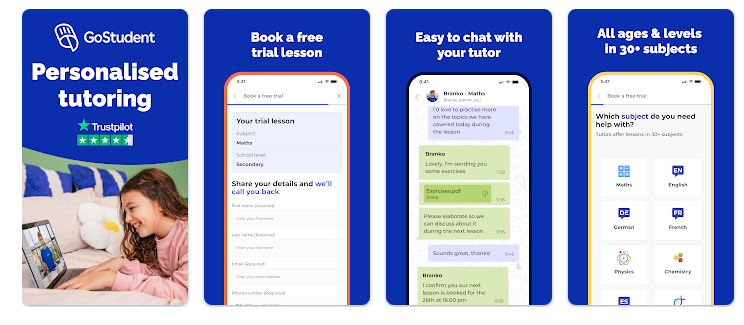
Best for: Students and families looking for structured language classes
Price: App free to download; subscription packages start at ~£28.00 per lesson
Format: Online private lessons
GoStudent pairs learners with qualified, Enhanced DBS-checked teachers for regular online classes. The platform app allows students to browse tutor profiles and book trial lessons, in addition to communicating directly and securely with their private teacher.
Comprehensive learning goals are established from the first lesson, ranging from building basic vocabulary, improving listening skills, or preparing for language exams aligned with the Common European Framework. The platform takes a blended approach to learning, combining innovative AI tools and interactive features with expert human tutors.
Unlike some traditional learning apps, GoStudent offers structured, regular lessons, with feedback-focused speaking exercises in every session.
Why GoStudent stands out:
-
Qualified, vetted teachers
-
Structured curricula with clear milestones
-
Ideal for school support and language studies
-
Personal feedback in every class
Duolingo – spaced repetition through games
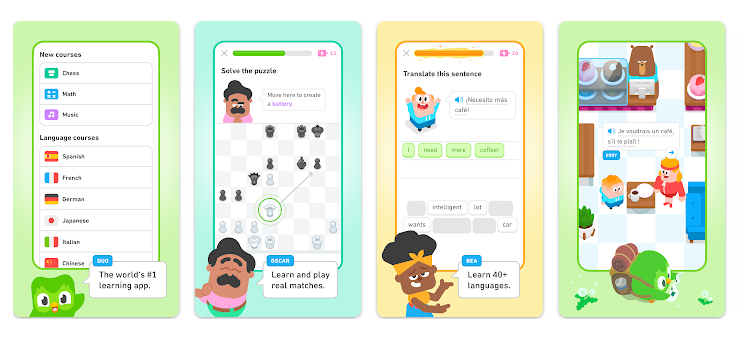
Best for: Learners looking for fun, gamified language courses
Price: App free to download; premium subscription for Super Duolingo costs ~£10.99 per month
Format: App-based learning
Duolingo lessons use features inspired by mobile gaming to keep lanaguage learners engaged. Users are encouraged to build a routine with short daily lessons, with competitive league tables helping to boost motivation! It can be a useful app for beginners looking to revise basic vocab and learn new words without extensive grammar notes.
Why Duolingo stands out:
-
Completely free option available
-
Bite-sized lessons to fit busy schedules
-
Builds vocabulary and basic grammar structures
Busuu – community feedback
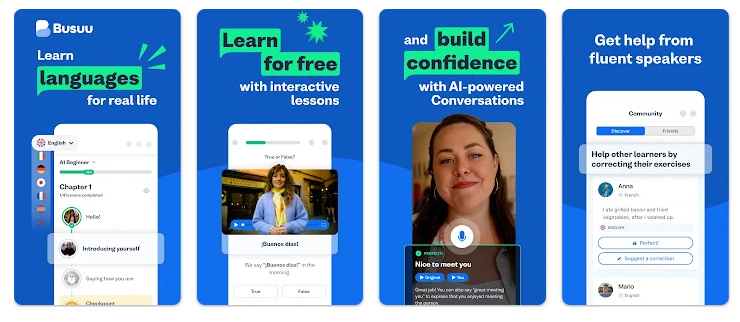
Best for: Students looking for a community learning experience
Price: Free version available; Busuu Premium costs ~£5 per month; Busuu Premium Plus costs ~£6 per month
Format: App-based with social features
Busuu blends structured lanaguage lessons with a peer feedback system. After completing writing exercises and speaking practises, you can receive corrections and explanations directly from native speakers, increasing your understanding of idiomatic phrases and the real-world usage of typical phrases.
Why Busuu stands out:
-
Feedback from native speakers
-
Courses aligned with CEFR criteria
-
Flexible, self-paced learning
Preply – grammar rules for business settings
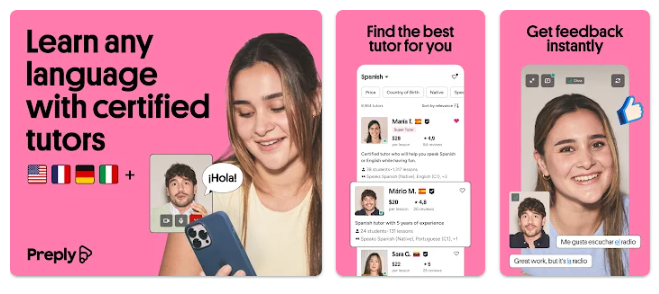
Best for: Affordable one-to-one lessons
Price: App free to download; classes vary in price between £13-£50
Format: Online tutoring
Preply lets you choose from a variety of tutors who specialise in a range of languages. It offers corporate language training for learners looking to focus on areas and skills relevant to professional development. Each session typically includes grammar explanations and conversation practice, with additional options for exam preparation.
Why Preply stands out:
-
Live conversation with real private tutors
-
Range of popular language courses, in addition to niche languages
-
Suitable for all levels from beginner to advanced
italki – relaxed conversation practice
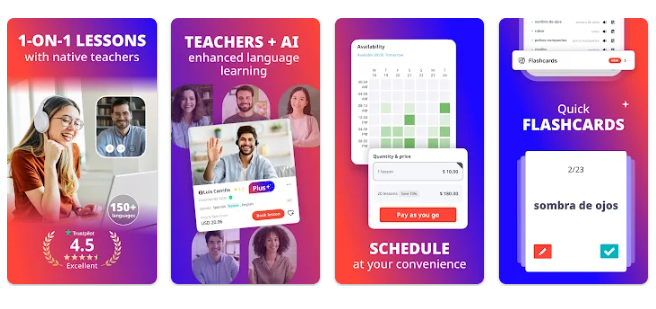
Best for: Learners looking for speaking-focused study sessions
Price: App free to download; classes range from ~£4-£60 per hour
Format: Online lessons
italki is based on building real-life communication skills. The platform offers the opportunity to study with professional teachers or community tutors, with the former being qualified to provide academic language support, and the latter typically being a more budget-friendly option.
Why italki stands out:
-
Affordable conversation sessions
-
Integrated digital flashcards to support lesson revision
-
Flexible, pay-as-you-go model for classes
Rosetta Stone – immersive language learning
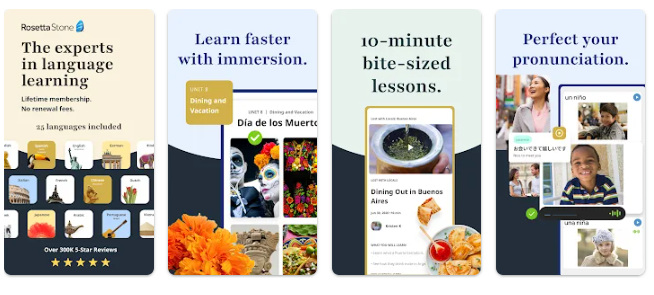
Best for: Intuitive learners
Price: App free to download. A three-month subscription costs £14.95 per month for a single language. Lifetime membership is available for £199, with access to all languages.
Format: App and desktop
Rosetta Stone forgoes translation, teaching vocabulary and grammar through images and context. This immersive learning style can work well for learners who prefer intuition over rules, with the app's offline mode also making it suitable for travellers with limited WiFi access.
Why Rosetta Stone stands out:
-
Reduced reliance on translation
-
Strong speech recognition technology
-
Suitable for both beginner and advanced learners
Lingoda – small-sized group classes
Best for: Students who prefer traditional classroom-style learning
Price: app free to download; class bundles vary by price and target language selected
Format: Live classes
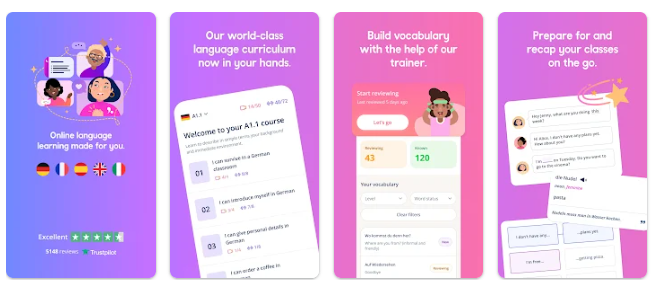
A middle ground between a language app and a private tuition service, Lingoda offers live classes in small groups with language teachers, together with digital library resources, quizzes and webinars. Students can also participate in the Lingoda Sprint challenge, an intensive course that rewards consistent comittment to study.
Why Lingoda stands out:
-
Live, teacher-led group sessions
-
Audio-focused classes boost listening comprehension
-
Opportunities to meet other people studying your target language
Memrise – language learning for travel
Best for: Learners looking to study practical, everyday phrases
Price: app free to download; Monthly Pro plan costs ~£20-£30 per month
Format: App-based
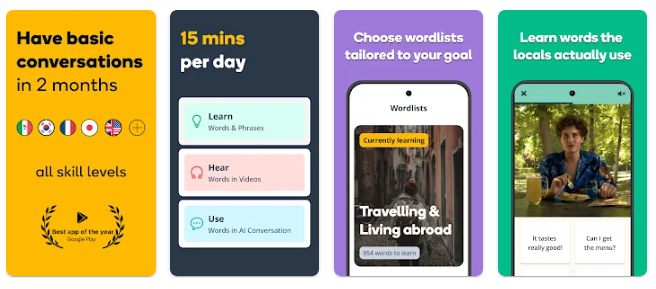
Memrise enhances conversation and listening skills through short video clips from native speakers, in addition to music videos that contain essential vocabulary and phrases. The app is suitable for visual learners who are exploring new countries, providing concentrated doses of situational language practice as opposed to structured lessons.
Why Memrise stands out:
-
Quick, flexible practice sessions
-
Speech content features a diverse range of accents
-
Learners can create their own spaced-repetition flashcards
FluentU – real-world content
Best for: Students looking to improve their cultural understanding
Price: App free to download; ~£22 per month. A 14-day free trial is available prior to subscription purchase
Format: Video-based app
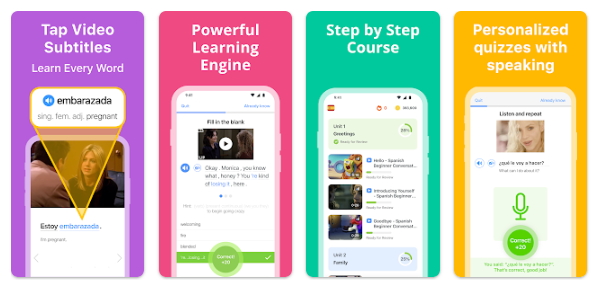
FluentU utilises news segments, interviews, and videos, turning them into interactive lessons that allow learners to click on words and phrases to find out more about them. That app's approach to learning through media provides students with cultural notes and insights that support a deeper understanding of their target language.
Why it’s a Babbel alternative:
-
Authentic language input
-
Context-rich learning
-
Strong focus on reading and listening comprehension
FAQs - why look for alternatives to Babbel?
Why do people search for alternatives to Babbel?
Many learners outgrow bite-sized lessons and look for more from their app-based language learning. They look for real conversation with native speakers, personalised feedback, and teaching styles that match their learning needs.
Is Babbel good for speaking practice?
Babbel is strong for vocabulary and grammar basics, but it offers limited opportunities to practise real conversation. Learners who want to be able to speak confidently often prefer platforms with live classes, group sessions, or one-to-one tutors.
Are there better options for exam prep and real-world use?
Yes. Tutor-led platforms and structured courses provide detailed grammar explanations, targeted speaking exercises, and feedback aligned with real-world goals and official exam curricula.
What do Babbel alternatives offer that most apps don’t provide?
The best Babbel alternatives focus on conversation-based learning, cultural context, and structured learning pathways. They help learners understand spoken words in real situations beyond a classroom setting in order to build practical language skills.
Who benefits most from switching from Babbel?
Serious language learners who are looking to make faster progress, enjoy flexible formats, and human interaction often benefit from moving beyond Babbel to more interactive platforms.

Which Babbel alternative is right for you?
Many learners start with free language learning apps, but real progress comes from interaction, exposure, feedback, and active study.
-
Choose FindTutors for fully personalised, flexible learning plans
-
Try GoStudent for structured, teacher-led academic progress
-
Check out italki or Busuu for social connection and cultural exploration
-
Consider Preply for language training focused on professional development
Babbel is a solid starting point, but it isn’t the end of the road! The best app to learn a language is the one that matches your overall study goals. With these Babbel alternatives, you can go beyond simple memorisation to build communication skills that last a lifetime.
Did you like this article? Share it now
tutor in Barcelona Ciudad specalised in offering online lessons classes adapted to the needs of each student. My classes are designed to help you reach your goals.
Teaches Catalan, Spanish, French, Photography, Maths, All courses, GCSEs and A Levels for adults, Physics, History, Latin, German, English as a foreign language and English Language classes
Use our Smart Finder