 Like
Like

Language apps ranked: which are the best alternatives to Rosetta Stone?

Did you know that one of the first language apps was named after an ancient Egyptian artifact?
Originally released in 1992, Rosetta Stone remains one of the most recognisable names in language learning software. The US company pioneered a concept in foreign language teaching (often referred to as the Rosetta Stone Method) based on immersive learning - an approach that encourages students to think directly in their target language by forgoing translations.
While Rosetta Stone has helped numerous students to build their fluency over the decades, many modern language learners now demand greater flexibility, more accessible grammar explanations, and live interaction, in addition to many other features.

Today’s language apps are far more advanced, providing videos of native speakers, interactive exercises, AI-powered vocabulary flashcards, audio lessons, spaced repetition, live classes, and even group learning sessions.
In this guide, we rank the best alternatives to Rosetta Stone to help you pick the best option depending on your goals and needs!
Content Table
Key takeaways
-
Rosetta Stone is an effective language app, but may not the ideal choice for many learners.
-
Many modern language learning apps combine grammar, listening, speaking, and vocabulary exercises.
-
Beginner and casual learners may prefer community-focused learning options such as Busuu, or gamified apps like Duolingo.
-
More advanced students can benefit from exploring apps such as Babbel and Mango Languages, which offer in-depth grammar and cultural explanations
-
FindTutors stands out for real conversation with native speakers. It is suitable for language learners of all levels.
FindTutors – Real conversations with native speakers
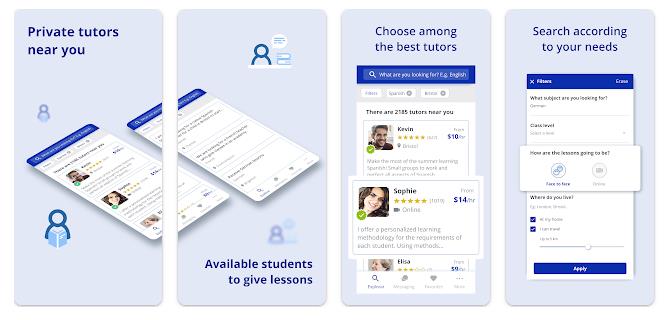
FindTutors is more than a language learning app!
A top-quality private tuition platform, FindTutors connects learners with real tutors for one-to-one language lessons both online and in person. The app can be downloaded for free, allowing you to browse and contact an unlimited number of private language teachers - if your goal is to actually speak your new language, personalised expert classes can be far more effective than automated grammar drills!
App strengths
-
Real-time pronunciation practice and feedback from native speakers
-
Lessons adapted to your native language and skill level
-
Co-create your own learning path instead of following fixed lesson plans
-
Browse and contact an unlimited number of professional language tutors
-
Pay-as-you-go pricing to suit a range of budgets
-
Flexible scheduling
Potential drawbacks
-
FindTutors may not be suitable for students seeking pre-made learning content
Who is FindTutors best for?
Language students looking for flexible, personalised study options for travel, personal hobbies, and official exam preparation
Duolingo – Learning through language games
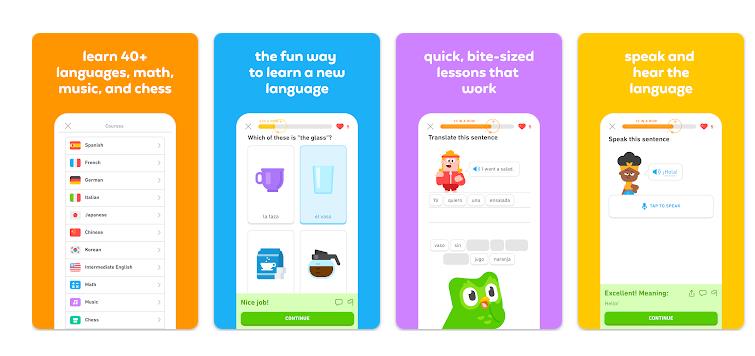
Duolingo is a frequent starting point for beginners looking to try out a new language. It offers content in a range of languages, including popular choices such as French, Spanish, German and Italian, in addition to niche interests like Esperanto and Klingon! The app's streak feature and competitive league tables are designed to build daily study habits.
App strengths
-
Fun, gamified lessons
-
Works on all mobile and desktop devices
-
Can be useful for learning vocabulary and reviewing concepts due to spaced repetition system
Potential drawbacks
-
Minimal grammar depth
-
Lack of real-world speaking practice
-
Pre-determined levels must be passed to unlock more advanced content
Who is Duolingo best for?
Beginner students, casual language learners and anyone motivated by competition!
Babbel – Focus on grammar and structure
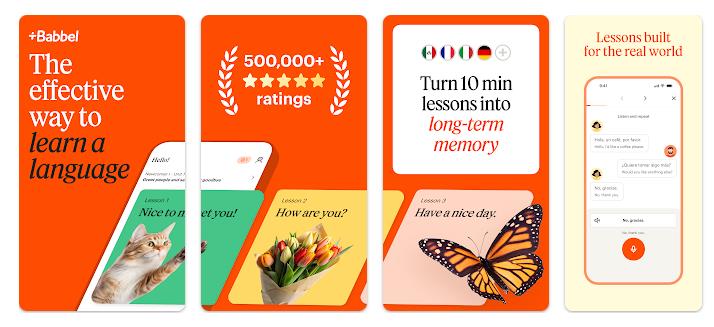
Babbel is designed for learners who want to understand how a language works. Compared to some apps, its feels closer to a traditional course in terms of study style. Rather than relying on games or points, Babbel offers carefully designed lessons that explain grammar, sentence structure, and a language's real-world usage.
App strengths
-
Clear grammar rules and explanations
-
Practical phrases for everyday situations
-
Good balance of reading, listening, and writing
Potential drawbacks
-
May be less engaging for younger learners
-
Relatively limited speaking practice
-
Smaller range of languages in comparison to other apps
Who is Babbel best for?
Intermediate learners who value structure and clarity; adult learners seeking steady progress over quick-fire drills.
Busuu – Community learning and feedback
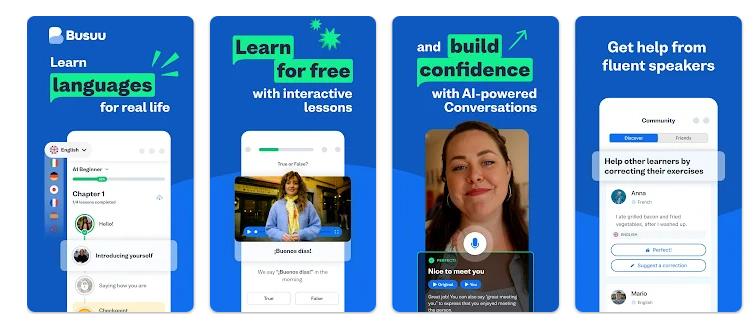
Busuu combines structured language courses with a social learning model that connects users with native speakers, some of whom are professional teachers and others who are community tutors. Learners follow CEFR-aligned paths, with the option to submit written and spoken exercises for correction by their peers.
App strengths
-
Courses aligned with CEFR levels
-
Written and spoken exercises corrected by native speakers
-
Built-in language placement test feature
Potential drawbacks
-
Access to some features requires a paid plan
-
Smaller language selection than other apps
-
Quality of community tuition can't always be verified
Who is Busuu best for?
Learners looking for social interaction and new friendships in addition to guidance and feedback.
Memrise – Video-based vocabulary learning
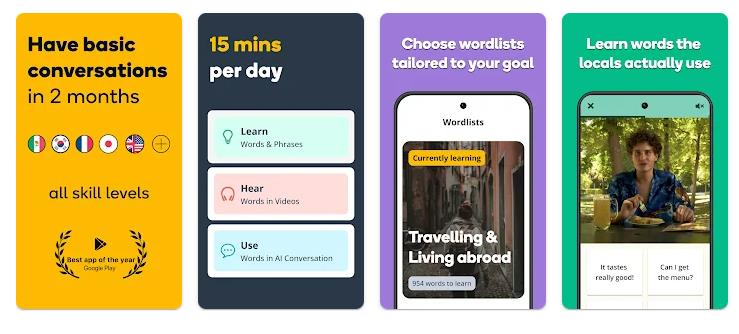
Memrise focuses on helping learners absorb language as it’s actually spoken by real people. Short videos of native speakers bring everyday expressions to life, making vocabulary feel natural and memorable, helping users build understanding through exposure, repetition, and visual contexts.
App strengths
-
Variety of listening comprehension practices
-
Authentic language exposure
-
Strong spaced repetition system
Potential drawbacks
-
Limited grammar instruction
-
May not be suitable for structured progression
-
Less focus on writing and speaking skills
Who is Memrise best for?
Visual learners and travellers looking to build up their vocabulary.
Mango Languages – Cultural immersion from your couch
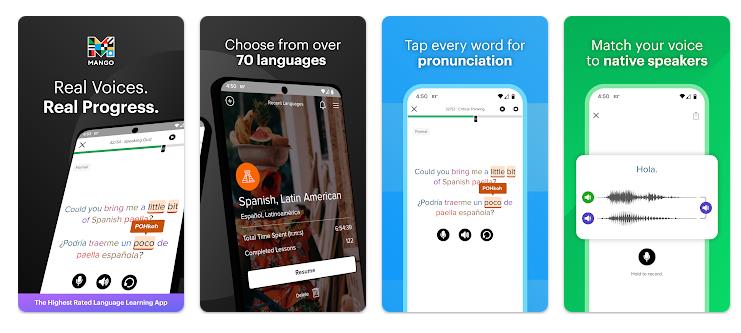
Mango Languages teaches concepts through stories, dialogues, and cultural insights, replicating how people learn through conversation. Lessons are built around real-world situations, helping learners pick up rhythm, tone, and natural phrasing while also understanding historical and country-specific contexts.
App strengths
-
Audio content recorded by native speakers
-
Lessons cover the traditions and customs of different countries
-
Visual comparisons between target and source languages
Potential drawbacks
-
Content quality can vary between languages
-
Some learners may find the exercise structure repetitive
-
May not be ideal for exam-style study
Who is Mango Languages best for?
Language students seeking to improve their understanding of cultural context
Rocket Languages – Audio classes on the move
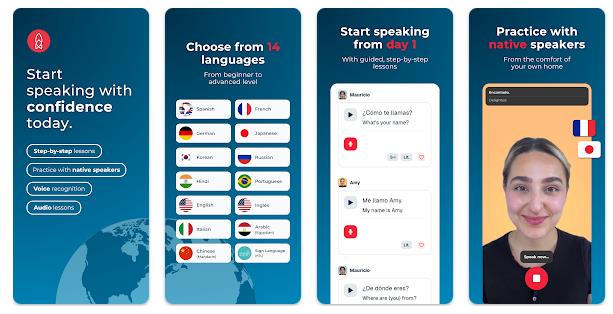
Rocket Languages is designed for learners who prefer listening over screens. Its podcast-style lessons guide users through grammar explanations with speaking practice exercises and audio drills, which may be completed while multitasking, or during a daily commute.
App strengths
-
Detailed grammar coverage
-
Strong focus on listening and speaking development
-
Lifetime access options are available
Potential drawbacks
-
Less visual engagement
-
May not be suited to short study sessions
-
Script exercises for non-Latin languages is relatively basic
Who is Rocket Languages best for?
Learners who want to improve their listening skills, or study a language while taking a screen break!
Mondly – Build fluency through speaking practice
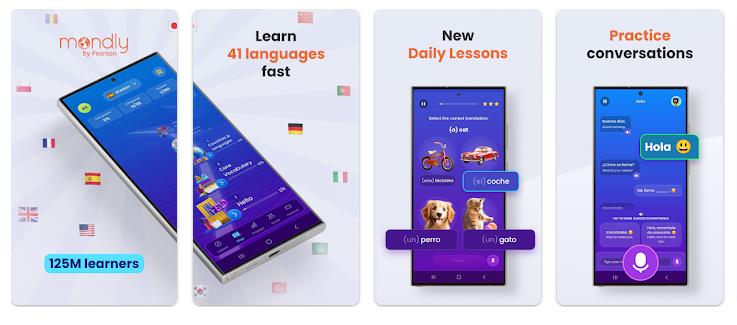
Mondly puts spoken language at the centre of the student experience, using speech recognition and simulated conversations that encourage learners to speak their target language from their first lesson. The app offers chatbot and AR/VR features for interactive practice dialogues that feel like texting with a friend.
App strengths
-
Comprehensive pronunciation practice
-
Quizzes and exercises in a variety of languages
-
Offline mode available for WiFi-free study sessions
Potential drawbacks
-
Can lack detailed grammar explanations
-
Limited content available with the app's free version
-
Advanced learners may not be sufficiently challenged by exercises
Who is Mondly best for?
Tech-savvy language learners who want to explore casual, interactive study options
Language app price comparison – the top Rosetta Stone alternatives

Choosing the right alternative to Rosetta Stone
Today’s language learning apps offer a wide range of interactive features, flexible pricing options, human feedback, and dynamic tools for modern learners, helping them turn new vocabulary into real conversations.
Whether you want to learn Spanish, German, or simply as many different languages as you can,
there are some exceptional Rosetta Stone alternatives out there to suit your needs. Try out a variety of tools to see which ones spark your interest and maintain your motivation.
As you experiment with different study solutions, remember to take time to understand your unique learning preferences and goals - after all, the best language app is the one that works for you!
Did you like this article? Share it now
tutor in Barcelona Ciudad specalised in offering online lessons classes adapted to the needs of each student. My classes are designed to help you reach your goals.
Teaches Catalan, Spanish, French, Photography, Maths, All courses, GCSEs and A Levels for adults, Physics, History, Latin, German, English as a foreign language and English Language classes
Use our Smart Finder