 Like
Like

20 Spanish Phrases of Endearment for Someone You Love

¿Cómo estás, cariño?
What do kittens, angels, and oranges have in common? In this guide, we'll explore 20 essential Spanish phrases of endearment categorised by relationship type, for Spanish learners in search of linguistic tools to deepen their connections.
Spanish terms for love and connection as fascinating as they are varied, forming essential building blocks for relationships and personal communication.
And expressing affection goes far beyond a simple 'I love you' - as it offers a rich vocabulary of affectionate words that reflect the warmth and passion of Latino and Spanish culture around the world.

In addition to taking you through the vocabulary here, we'll define which expressions are best suited to different relationships and intimacy levels, taking a look at the cultural nuances of each term along with how to integrate them naturally into your conversations.
¿Listo? ¡Empezamos!
Content Table
Key Takeaways
-
Context is everything: Make sure to match the intensity of the phrase to the stage of your relationship to avoid social awkwardness and misunderstandings.
-
Regional variations: term like tío and cuate can vary in meaning between Spain and Latin America
-
Spanish diminutives: Adding suffixes like -ito or -ita to Spanish words conveys a sense of extra sweetness and warmth.
-
Versatility: Many common terms of endearment in spanish, such as cariño, are gender-neutral and can be used across a variety of social settings and relationships.
-
Learning to express yourself: Work with a private Spanish tutor to understand cultural customs around emotions in Spanish-speaking countries.
Spanish Phrases of Endearment

Romantic Relationships
All you need is love!
Romantic Spanish has a reputation for being intense! Whether addressing a female partner or male partner, phrases often gravitate towards grand concepts such as life, souls, and celestial metaphors. These phrases should be used when there is a clearly established bond of deep love and affection.
|
Phrase |
Literal Translation |
Context |
|
Mi amor |
My love |
One of the most common ways to address a partner. |
|
Mi cielo |
My heaven/my sky |
Literally translates to 'my heaven'; implies the person is your everything! |
|
Mi vida |
My life |
High intensity; implies the person is essential to your existence. |
|
Mi corazón |
My heart |
A popular term of endearment used both in Spain and Latin American countries. |
|
Media naranja |
My half orange |
The Spanish equivalent of calling someone your 'other half' or soulmate! |

Friendship and Close Bonds
Why is your new friend refering to you as his aunt...?
Expressions of friendship among Spanish-speaking friends can be confusing to English-speaking students at first! Some of these phrase are general terms that can be used within new relationships, while others are more affectionate nouns typically heard among close friends.
|
Phrase |
Literal Translation |
Context |
|
Un sol |
A sun |
Used to describe a good friend who brings light and happiness to your life. |
|
Guapo/Guapa |
Handsome/Beautiful |
In addition to being adjectives that denote physical attraction, used as nouns these words are also a casual, friendly way to greet a peer! |
|
Tío/Tía |
Uncle/Aunt |
Used colloquially in Spain in a similar way to 'dude' and 'mate' in English |
|
Amigo/Amiga |
Friend |
A straightforward way to refer to both new and old friends |
|
Colega |
Colleague/Pal |
A casual term for a work friend, denoting a bond built on a shared experience |
Family and Children
Meeting your friend's new baby for the first time?
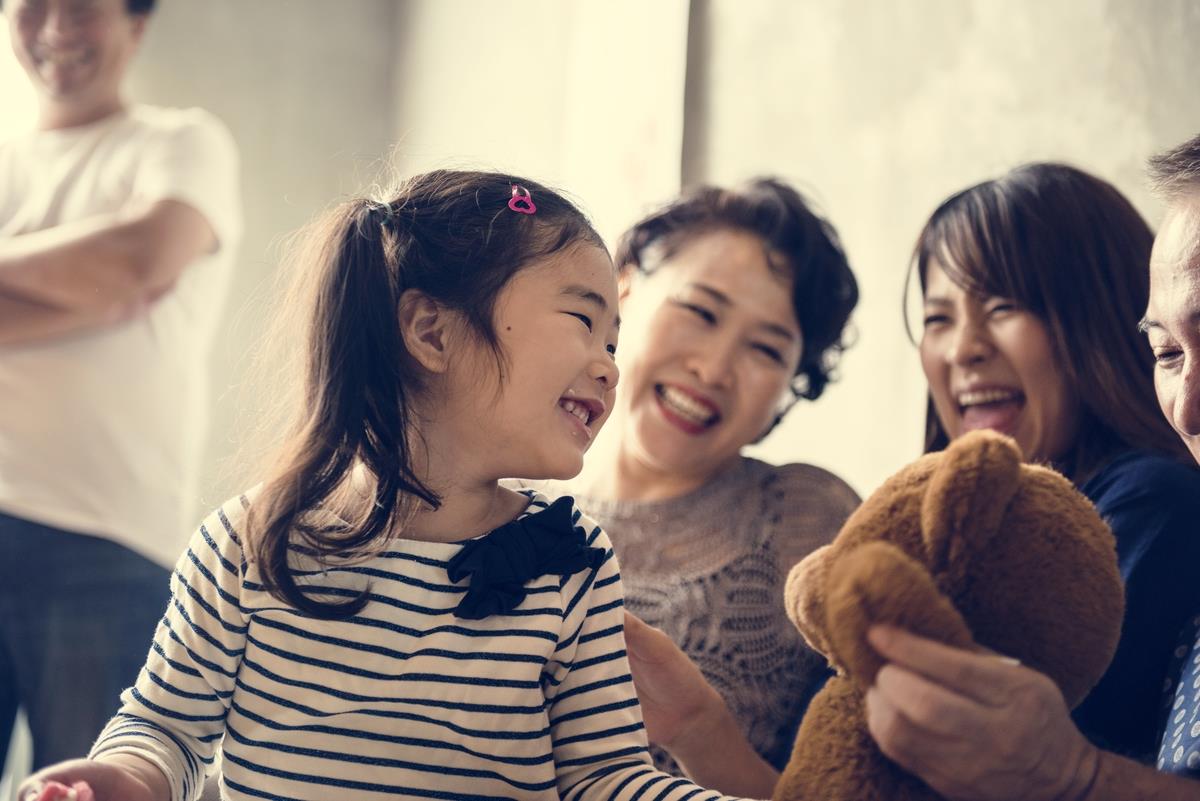
In Spanish-speaking households, infants and children are often refered to using the -ito or -ita suffixes. Diminutive examples include hijito,and hijita (literally: 'little son', 'little daughter'), and are used to signify the smallness or preciousness of the family member.
|
Phrase |
Literal Translation |
Context |
|
Mi tesoro |
My treasure |
Frequently used by parents and grandparents for children within the family. |
|
Cariño |
Dear/Darling |
A versatile term of affection in Spanish! While commonly used for children, it may be used as a respecful term of affection for spouses, students, and any relationship of a caregiving nature. |
|
Mi rey/Mi reina |
My king/My queen |
Often used for children to make them feel special and loved. |
|
Angelito |
Little angel |
A traditional, somewhat old-fashioned term of endearment for a child. |
|
Mi hijo/Mi hija |
My son/My daughter |
Used for both biological and non-biological children as a sign of affection! In Latin America countries, you may also hear the condensed forms mijo and mija. |
Pets and animals
Are you a dedicated cat mum or dog dad?
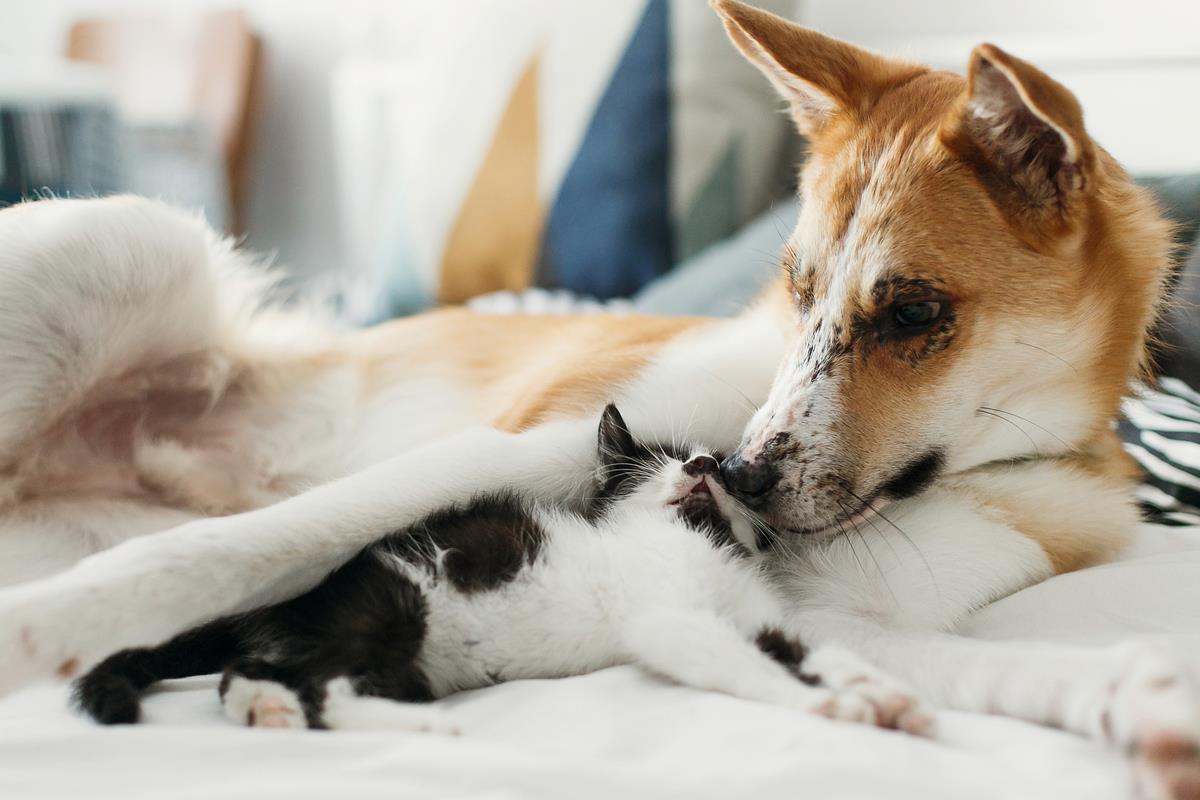
We often treat our pets like family members, and Spanish-speaking cultures reflect this through a range of playful names for their four-legged friends!
|
Phrase |
Literal translation |
Context |
|
Bicho |
Bug/Little creature |
A cute way of refering to a mischievous pet (or small child!) |
|
Gatito/Gatita |
Kitten |
While this is the standard translation for 'kitten', many owners use the word affectionately for their adult cats! |
|
Cachorrito/Cachorrita |
Puppy |
As with 'gatito/gatita', the Spanish word for 'puppy' can be applied to much older dogs to express endearment. |
|
Bombón |
Sweet/Chocolate |
Literally means 'chocolate sweet'; used for pets that are exceptionally dulce in nature. |
|
Chiquito/Chiquita |
Little one |
While often used for children, this term is also perfect for smaller breeds, kittens and puppies! |
Understanding the Nuances of Spanish Affection
Spanish is a high-context language, meaning that the relationship between speakers can dictates the meaning of a word as much as - and sometimes more than - than the dictionary definition. Calling a male friend tío may be common in Spain, while the same term can attract some odd looks in Argentina, for example.
Likewise, the phrase te quiero is used for friends, family, and during early dating, while te amo is generally reserved for deeper, more serious romantic love. Using the wrong phrase too early in a new relationship can lead to some pretty awkward dinner conversations for English speakers!
When you [Link: Book a Language Lesson], your private tutor can help you navigate these cultural minefields.
How to Use Phrases of Endearment Naturally
-
Start small! Use cariño or mi amor. They are safe bets for most non-professional contexts.
-
Watch your tone: Affection is often conveyed through vocal nuance. A higher, softer pitch typically accompanies spanish diminutives.
-
Consider regional variations: Spanish terms used with a romantic partner in Colombia may not carry the same meaning for relationships in Spain, Mexico, or Chile, for example.
-
When in doubt, observe the locals: If you are learning a unique dialect from a specific spanish-speaking region, listen to how they greet and talk with their friends and family.
If you are ready to take your language skills to the next level, FindTutors makes it easy to find qualified private teachers who are native Spanish speakers. Whether you prefer to take online Spanish lessons or in-person Spanish classes, our platform allows you to find the ideal tutor without any subscription fees.

Frequently Asked Questions
What is the difference between Te quiero and Te amo?
Te quiero is a most common way to say 'I love you' to partners,children, friends and other family members. Te amo also translates to 'I love you', but carries a greater intensity and is typically reserved for romantic relationships.
Why do Spanish speakers add '-ito' and '-ita' to the end of words?
The suffixes -ito (masculine) or -ita (feminine) are diminutive word endings. They make word meanings feel smaller or cuter! For example, the word casa (house) becomes casita (little house), signaling emotional warmth, expressing the idea of a home in addition to describing a physical building.
Is cariño gender-neutral?
Yes. Even though it ends in 'o', you can use cariño when speaking to both men and women. The phrase functions similarly to 'dear' or 'darling' in English.
Can I use these phrases in professional settings?
Generally, no. The common spanish terms in this article are typically reserved for personal relationships. One exception is the word colega, which can be used during less formal work situations with close colleagues.
How do I find a tutor to practice these phrases?
Find a tutor with FindTutors and filter your search by by subject, location, and learning level. You can contact private tutors directly for free to discuss your learning needs, preferences and Spanish language goals.

Conclusion - Speaking From the Heart in Spanish
Learning spanish phrases of endearment is about more than just memorising set terms in your new language - it is about embracing a more emotive way of communicating.
By using terms like mi vida or mi tesoro, you are participating in a long-standing tradition of warmth and connection embedded within the cultures of many Spanish-speaking countries. Whether you're aiming to impress a partner or simply want to sound more natural when chatting with friends, these special words can help you express your true feelings.
To enhance your connections in Spanish even further, check out our article on 50 Spanish phrases for celebrations and learn how to join in the fun!
Whether you're in search of Spanish exam prep support or looking to boost your travel vocabulary, there are no subscriptions or hidden fees standing between you and a new level of fluency.Ready to start speaking Spanish with confidence? Post a student ad today to find your perfect tutor match!
¡Qué te vaya bien con tus estudios!
Did you like this article? Share it now
Spanish tutor in Barcelona Ciudad specalised in offering online lessons classes adapted to the needs of each student. My classes are designed to help you reach your goals.
Teaches Catalan, Spanish, French, Photography, Maths, All courses, GCSEs and A Levels for adults, Physics, History, Latin, German, English as a foreign language and English Language classes
Use our Smart Finder