 Like
Like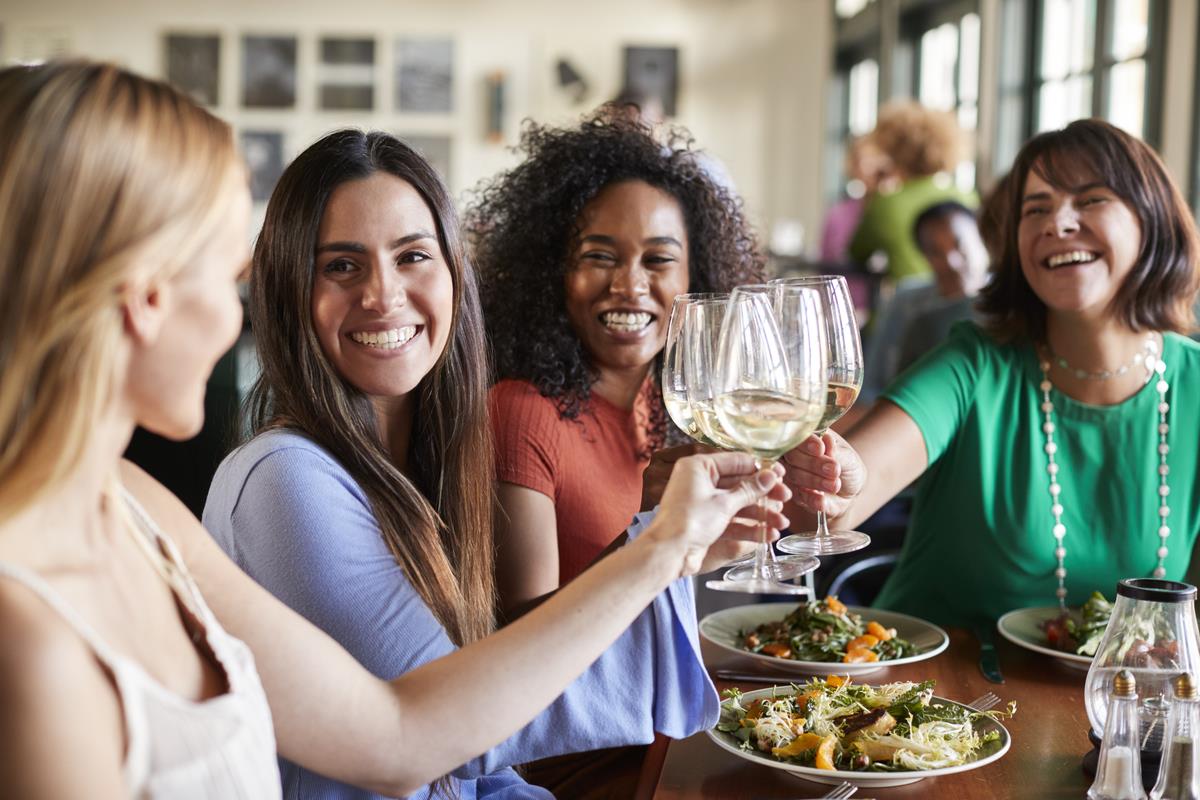


¡A la fiesta! 50 Spanish celebration phrases from around the world

¡Salud!
Celebrations are an important and much-loved part of life in Spanish speaking countries around the globe, from the vibrant festivals of Latin America to the family-centred traditions of Spain.
Whether you're enjoying a birthday, heading to a New Year’s Eve street party, hosting Christmas dinner, or simply want to join las fiestas with your Spanish-speaking friends, learning the right Spanish celebration phrases can help make special moments even more so.

In this guide, you’ll discover 50 useful expressions, together with culture tips, and practical holiday vocabulary to help you learn Spanish, grow your language skills, and enjoy celebrations all around the world to the max!
¿Listo? Let's party!
Key takeaways
-
Many different celebrations and festivals throughout the year across Spain, Mexico, and Latin America.
-
Festivals and holidays often form part of religious worship, long-held indigenous traditions, historical remembrance, and connections with the natural world.
-
Parties can be a fun and informal environment to brush up on your small talk skills in Spanish.
-
An awareness of local cultures and symbolism is an important part of gift-giving rituals.
-
Working with an expert language tutor can boost your confidence when navigating large events abroad.
-
Memorising a few key phrases can help you make deeper connections and enjoy richer experiences with Spanish-speaking friends and locals.
Why learn Spanish celebration phrases?
Parties, festivals and holidays are a fantastic setting for meeting new friends, enjoying food, music and dance, and experiencing local cultures. They're also a fun, low-pressure way to practise chatting casually in your target language!
Knowing the right Spanish phrases can help you feel part of a community and join in with the main event - whether you're attending a huge party in Mexico, a family gathering in Argentina, New Year fireworks in Colombia, or a warm Christmas celebration in Spain, there are unique words to fit the occasion and enhance your connections with loved ones.
Which holidays and festivals are celebrated in Spanish-speaking countries?
Many festivities that form part of Christian tradition such as are celebrated throughout the Spanish-speaking world:
Christmas
Most often celebrated on Christmas Eve rather than the 25th of December, Christmas in Spanish speaking-countries is typically a family affair with groups dinners that include foods such as cordero asado in Spain, and dishes like hallacas in Venezuela and panes con pollo in El Salvador.
Día de Reyes
Parades take place around the world for Día de Reyes (King's Day), symbolising the journey of the Three Wise Men. Children receive most of their regalos on the Day of the Epiphany on January 6th, when the rosca de reyes cake is served to mark the end of the Christmas season.
Easter
Semana Santa (Holy Week) is a major holiday for many Spanish-speaking countries, with a wide variety of traditions ranging from silent nightly processions in Zamora, northern Spain, to the colourful alfombras made from flowers, pine needles and fruit that line the streets of Antigua, Guatemala.
Many other events and holidays are held in recognition of political and historical events, ancient rituals, other religions and celebrations of local resources:
Feria de las flores - Medellín, Colombia
Medellín is known as 'The City of Eternal Spring' thanks to year-round warm climate. First held in the May of 1957, the city's famous flower festival now takes place in early August, having blossomed into a national celebration of life, fertility, and the heritage of traditional flower farmers known as silleteros.
Inti Raymi - Peru
Inti Raymi is the second-largest festival in South America! A celebration in honor of the Sun God, Apu Inti, this event on June 24th brings Inca winter solstice rituals to life through dancing, artistic performances, music and rituals, including Quechua chants. An incredible celebration of Andean culture, Inti Raymi attracts visitors from across Peru, Bolivia, Ecuador and beyond.
Janucá - Argentina
While not unique to Argentina, the country's large Jewish population means that Chanukah (Spanish: Janucá) together with other festivals within Judaism, are acknowledged and celebrated by a significant number of people. Taking place across eight nights, Chanukah festivities usually fall around late November to mid-December, and include the lighting of the menorah, as well as gift-giving among family and friends.
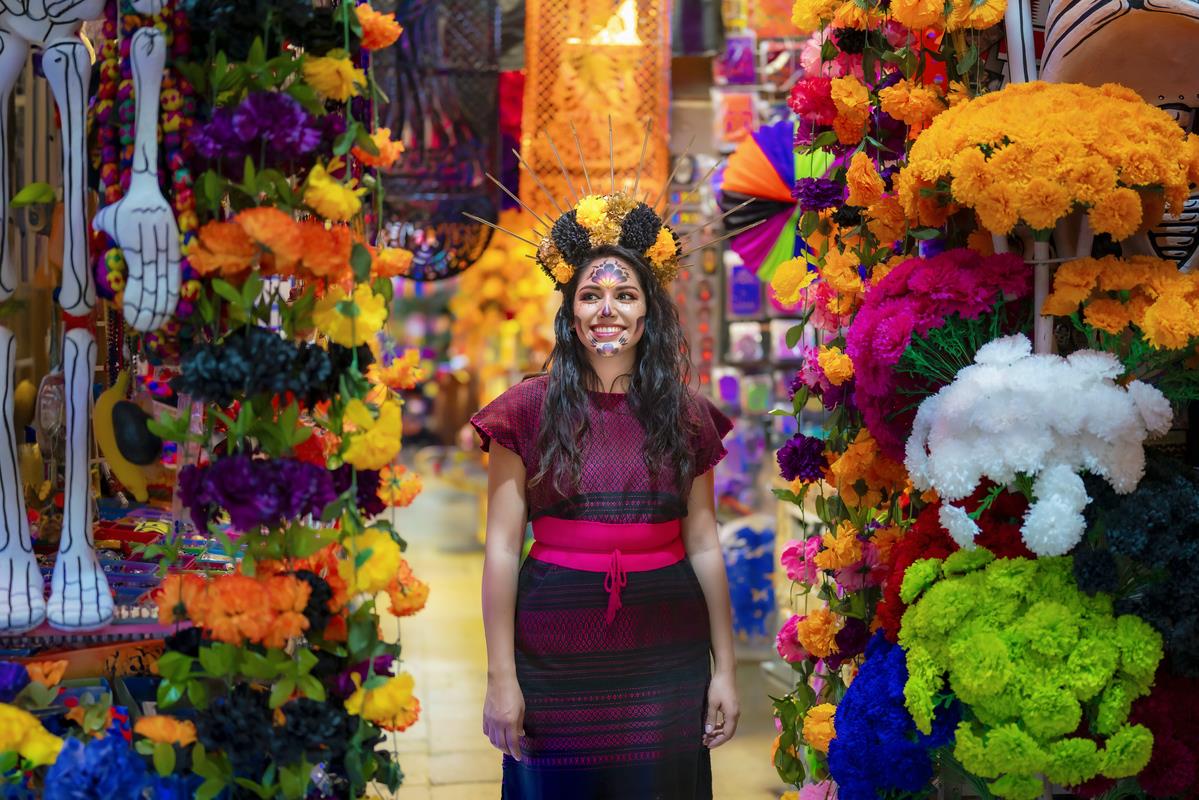
Día de los Muertos - Mexico
Held on November 1st and 2nd, Día de los Muertos is perhaps Mexico's most famous celebration. While its name translates to 'Day of the Dead', the festival is considered to be a profound celebration of life, featuring intricate displays of marigolds, food offerings and prayers to departed loved ones. Celebrations are particularly elaborate in Michoacán and Oaxaca, attracting tourists and travellers from around the world.
Fiestas Patrias - Chile
Chilean Independence Day is celebrated each year on September 18th with Las Fiestas Patrias. This lively day brings families and friends together in outdoor fondas y ramadas to take part in folk music sessions, dance the national cueca, and to enjoy the country's traditional cuisine, such as anticuchos and pajaritos dulces. Game and activities like kite-flying are popular among kids during these festivities!
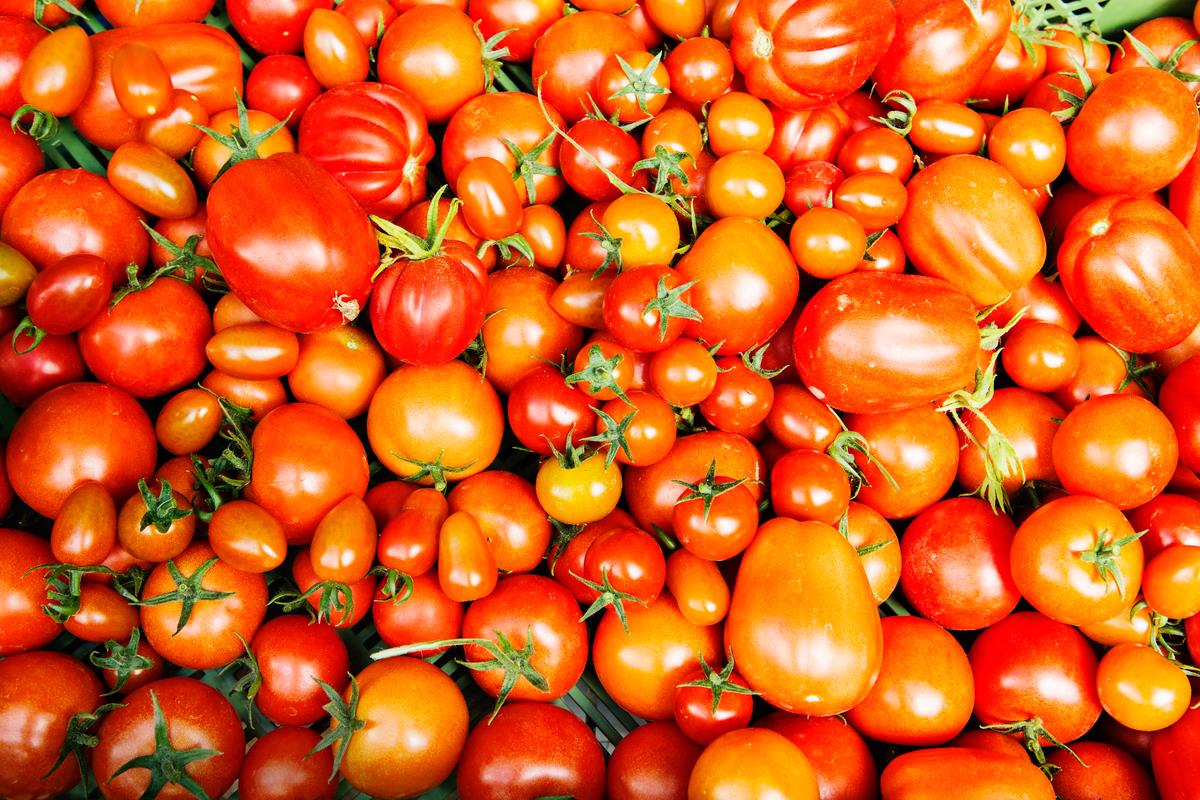
La Tomatina - Spain
Legend has it that this unusual festival came about by accident! Originating in the town of Buñol near Valencia, La Tomatina grew out of a spontaneous food fight among a group of friends, who began throwing tomatoes from a nearby vegetable stall during a procession in honor of the town's patron saint. The trend caught on, and the last Wednesday of August now sees 140 tonnes of tomatoes become airborne throughout the streets!
Now that we've done a little research, how about we take a look at some useful phrases you can use during celebrations?
50 Spanish celebration phrases to use at your next fiesta
Below you'll find 50 expressions that you will likely hear at a variety of different festive events, including greetings, invitations, expressions of excitement, gift-giving etiquette, celebratory vocabulary, and much more!
Greetings and festive starters
|
Spanish phrase |
English translation |
When should I say this? |
|---|---|---|
|
¡Felices fiestas! |
Happy holidays! |
General festive greeting used across many Spanish-speaking countries. |
|
¡Vamos a celebrar! |
Let’s celebrate! |
Great for kicking off any party or holiday gathering. |
|
¡Bienvenidos a la fiesta! |
Welcome to the party! |
Used when greeting guests at celebrations. |
|
¡Feliz Nochebuena! |
Happy Christmas Eve! |
Used on December 24th, when many families gather for Christmas Eve dinner and to exchange gifts. |
|
¡Feliz Navidad! |
Merry Christmas! |
Holiday greeting used during the Christmas season. |
|
¡Feliz Año Nuevo! |
Happy New Year! |
Said on New Year’s Eve and New Year’s Day. |
|
¡Feliz Janucá! |
Happy Chanukah! |
Holiday greeting used during the Chanukah season. |
|
¡Feliz Día de Reyes! |
Happy Kings Day! |
Used on January 6th, when children across the Spanish-speaking world receive their gifts from the three wise men. |
|
¡Qué alegría verte! |
So happy to see you! |
Warm expression for meeting friends or family. |
|
¡Feliz cumpleaños! |
Happy birthday! |
Traditional birthday greeting. |
Joining the fun
|
Spanish phrase |
English translation |
When should I say this? |
|---|---|---|
|
¿Quieres bailar? |
Do you want to dance? |
Used when inviting someone to join the dance floor. |
|
¡Vamos a bailar! |
Let’s dance! |
High-energy invitation to start dancing. |
|
¡Me encanta esta canción! |
I love this song! |
Said when enjoying the music or complimenting the DJ |
|
¿Te unes a nosotros? |
Do you want to join us? |
Used to invite someone into a group activity. |
|
¡Qué fiesta más increíble! |
What an amazing party! |
Complimenting the event or atmosphere. |
Talking about food and drink
|
Spanish phrase |
English translation |
When should I say this? |
|---|---|---|
|
¿Qué hay de comida? |
What food is there? |
Useful at gatherings with shared dishes, particularly if you have certain dietary needs or allergies. |
|
La comida está deliciosa. |
The food is delicious. |
Compliment to host or cook. |
|
¿Quieres un trago? |
Do you want a drink? |
Common invitation at parties. |
|
¡Salud! |
Cheers! |
Used when toasting at festive events. |
|
¡Arriba, abajo, al centro y pa' dentro! |
Above, below, to the middle and inside! |
A humorous toasting ritual where the group moves their glasses up, down, and around before drinking. |
Compliments and conversation
|
Spanish phrase |
English translation |
When should I say this? |
|---|---|---|
|
¡Qué bonita decoración! |
What beautiful decorations! |
Used to compliment party décor. |
|
Tu cultura tiene tradiciones maravillosas. |
Your culture has wonderful traditions. |
When discussing multicultural celebrations. |
|
Me encanta esta ciudad. |
I love this city. |
A useful phrase for travellers at local festivities. |
|
Por favor, ¿me ayudas? |
Please, can you help me? |
Polite request for assistance when organising an event |
|
Gracias por invitarme. |
Thank you for inviting me. |
Expressing gratitude to the host. |
Asking questions
|
Spanish phrase |
English translation |
When should I say this? |
|---|---|---|
|
¿Dónde está la música? |
Where’s the music? |
Used when looking for the dance floor. |
|
¿Dónde está el festival? |
Where is the festival? |
Helpful at large city events. |
|
¿A qué hora empieza el evento? |
What time does the event start? |
Practical question for parties and public celebrations. |
|
¿Conoces a alguien aquí? |
Do you know anyone here? |
When getting to know new people in social settings. |
Celebrating traditions
|
Spanish phrase |
English translation |
When should I say this? |
|---|---|---|
|
Esto es parte de nuestras tradiciones. |
This is part of our traditions. |
Used to explain cultural customs. |
|
Así celebramos en mi familia. |
This is how we celebrate in my family. |
During family-oriented events. |
|
La cultura aquí es fascinante. |
The culture here is fascinating. |
Positive remark about local traditions. |
Party energy and excitement
|
Spanish phrase |
English translation |
When should I say this? |
|---|---|---|
|
¡Esto es muy divertido! |
This is so fun! |
Shows enthusiasm at any celebration. |
|
¡Qué felicidad! |
Such happiness! |
Expresses joy during memorable moments. |
|
¡Es una fiesta enorme! |
It’s a huge party! |
Used when describing large celebrations. |
|
¡La música está increíble! |
The music is amazing! |
Complimenting the playlist or DJ. |
|
¡El DJ es fantástico! |
The DJ is fantastic! |
To make conversation at concerts, clubs or lively events. |
Holiday and new year moments
|
Spanish phrase |
English translation |
When should I say this? |
|---|---|---|
|
¿Estás listo para los fuegos artificiales? |
Are you ready for the fireworks? |
Common on New Year’s Eve. |
|
En mi país comemos 12 uvas en Año Nuevo. |
In my country we eat 12 grapes on New Year’s. |
Spanish/Latin American New Year tradition. |
|
Vamos a brindar por el Año Nuevo. |
Let’s toast to the New Year. |
Used right after the countdown. |
|
Esta noche es especial |
Tonight is special |
Expressing feelings about an event. |
Friendly connections
|
Spanish phrase |
English translation |
When should I say this? |
|---|---|---|
|
Me alegra celebrar contigo. |
I’m happy to celebrate with you. |
Warm message for friends or loved ones. |
|
Mis mejores deseos para ti y tus seres queridos. |
Best wishes for you and your loved ones. |
Used during holiday seasons. |
|
Tus amigos son muy simpáticos. |
Your friends are very nice. |
Complimenting a welcoming group. |
Wrapping up the night
|
Spanish phrase |
English translation |
When should I say this? |
|---|---|---|
|
Gracias por una noche increíble. |
Thank you for an amazing night. |
To thank the host or organiser. |
|
Ojalá nos veamos en la próxima fiesta. |
Hope to see you at the next party! |
Friendly farewell. |
|
¡Cuídate! |
Take care! |
Simple, warm goodbye. |
|
Fue un placer conocerte. |
It was a pleasure meeting you. |
Ideal to use after meeting new people. |
|
Aquí tienes un pequeño regalo. |
Here’s a small gift. |
Used for exchanging gifts/party favours. |
|
¡Muchísimas gracias! |
Thank you so much! |
To express appreciation for a gift or party |
With a little practise all of these Spanish words and phrases will help you navigate parties, meals, gifts, and local customs across various Spanish speaking countries with ease!

Tips to improve your holiday experiences
Want to sound fluent even when you're on your fourth mojito? Here are a few simple tricks for the next time you celebrate:
Learn holiday vocabulary you’ll actually use
Focus on the phrases, greetings, and words you’ll need at the festivals, meals, and social events that you're planning on attending - using them in real-life situations will help you commit them to memory.
Practise with real people
Chat with Spanish speaking friends and acquaintances to sharpen your pronunciation, without worrying too much about mistakes!
If you want to improve quickly, FindTutors allows you to post an ad to find your perfect Spanish tutor: refine your grammar, expand your holiday vocabulary, and feel confident speaking at your next fiesta- wherever it may be!
Watch celebrations online
Festivals from Latin America, Spain, and beyond are available on YouTube and social media platforms - these videos and livestreams are perfect for building your listening skills in Spanish!
Being able to see visual examples of events also helps you to put phrases in context and understand the traditions at the root of the vocabulary, which can be a useful cultural immersion exercise for students preparing to study abroad.
Put some music on
All countries have their own music for special occasions! From to Cuban salsa to Argentinian tango, exploring the songs, dances and instruments associated with traditional and modern cultural movements will deepen your understanding - and enjoyment - of the festivals and places that you visit.

Do a little research when it comes to gifts
Bringing a present for your host is a thoughtful way to show your appreciation! As is the case in many countries, flowers are a popular choice, but local customs should be taken into account.
Purple and yellow flowers in even numbers should be avoided in Latin America and Mexico, together with chrysanthemums in Spain, as these floral arrangements represent mourning and loss. Roses may be appropriate in some cases, but like various other cultures they typically carry romantic associations.
Swap recipes
Food is an integral part of celebrations and festivals. Getting together with friends to prepare and enjoy dishes from your home countries is a wonderful way to enhance both your relationships and your cultural understanding. Have fun adapting your favourite recipes with local ingredients and cooking methods!
Share your own traditions
Think about celebrations from your home country and ways to share them with new people that you meet. Is there a particular dish that is always served, or certain clothes that are worn? Is the holiday a a loud celebration with music and fireworks, or an intimate gathering of close friends and family? You'll soon discover the similarities and differences between your customs other nations.
Join the community
Celebrations are about friends, family, and fun. Participating in cultural events allows you to enjoy speaking Spanish with people that you may not otherwise encounter in your day-to-day routine - make the most of these connections and get involved with the group!
Ready for your next fiesta?
Whether you’re celebrating Christmas, dancing away at New Year, sharing food with friends, or simply learning the meaning behind local cultural traditions, using authentic expressions will deepen your experiences, forge new connections and make lasting memories.
¡Vamos a celebrar!
Did you like this article? Share it now
Spanish tutor in Barcelona Ciudad specalised in offering online lessons classes adapted to the needs of each student. My classes are designed to help you reach your goals.
Teaches French, Maths, All courses, GCSEs and A Levels for adults, Latin, German, English as a foreign language, English Language, History, Physics, Photography, Spanish and Catalan classes
Use our Smart Finder