 Like
Like

The Ultimate Guide to Spanish Culture: Books, Films and Music

Spanish culture is a vibrant tapestry woven from centuries of history, regional diversity, and artistic expression. This guide delves into the rich world of Spanish culture through its literature, films, and music, offering a comprehensive overview for learners and enthusiasts alike.

In this article, we'll explore key works by renowned authors, filmmakers, and musicians that reflect Spain’s fascinating history and regional identities. Whether you are a new student, avid traveler, or a lifelong learner, this blog provides concrete recommendations and insights to deepen your understanding of Spanish culture.
Content Table
Key Takeaways
-
Spain is culturally diverse, spanning regions like Castile, Catalonia, the Basque Country, Galicia, Andalusia, the Balearic Islands, and the Canary Islands - each with distinct traditions and regional languages.
-
A country's culture is reflected in various aspects of everyday life - learning to appreciate traditions is essential to navigating daily situations and relationships.
-
Understanding historical and cultural references can help you converse more easily and build deeper connections when travelling in Spain and Latin America.
-
Working with a private Spanish tutor allows you to dive deeper into Spanish literature, cinema, and music through personalised lessons tailored to your language level and goals.
An Introduction to Spanish Culture Through the Arts
Spanish culture is not a single stereotype, but a mosaic of languages, regions, and histories. Beyond the widely spoken Castilian Spanish (the official language of the Spanish government), you’ll find Catalan in Barcelona and the surrounding areas of Catalonia, Galician, which shares its roots with Portuguese in the northwest, and Basque - a non-Indo-European language isolate - in the Basque Country. These regional languages represent around 40% of the population, each carrying its own literary and musical traditions that span many centuries.
Books, films, and music offer an ideal entry point into understanding daily life in Spain today: how families gather for long meals, how young people navigate school and work, and how regional identity shapes everything from festivals to food. Through the arts, you’ll encounter themes of migration, memory, friendship, and evolving social values that have shaped and defined people across generations.
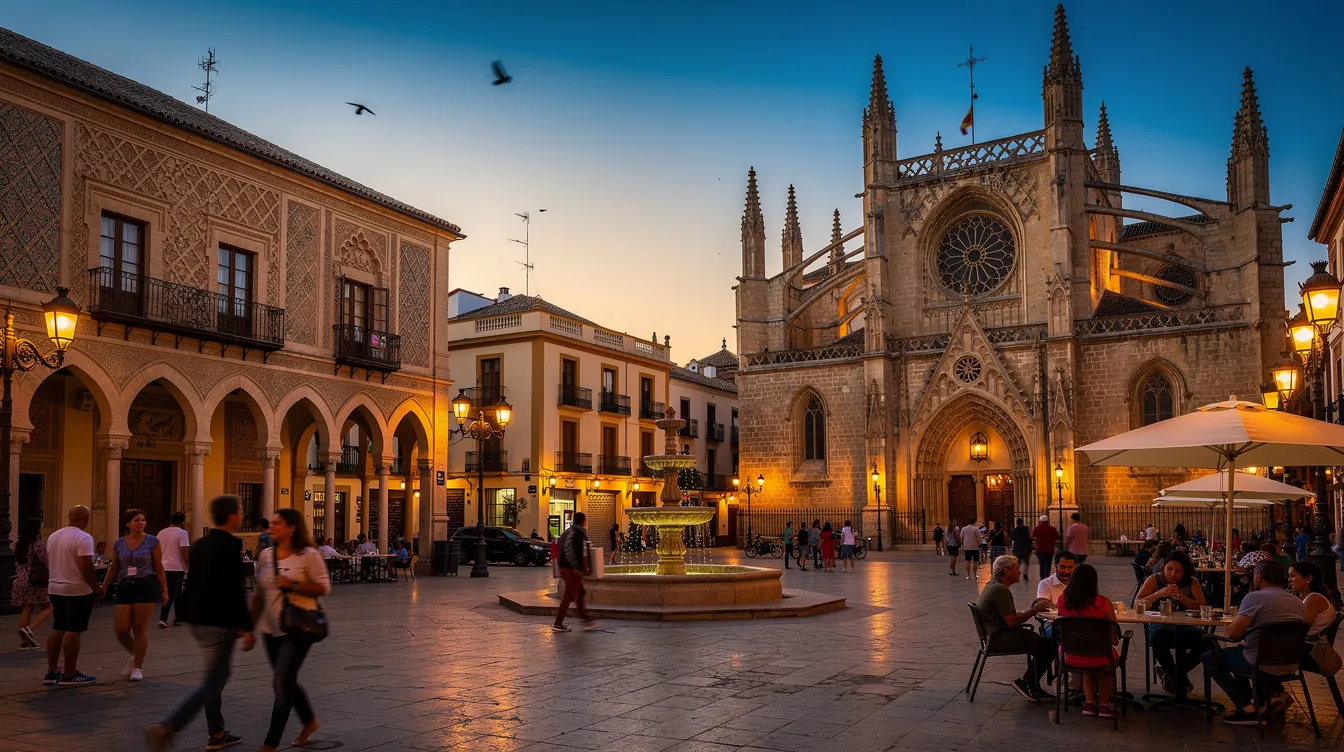
Key historical anchors have shaped this cultural production: 1492 marked both the end of the Reconquista and Columbus’s voyage; the Golden Age (16th–17th century) produced literary giants such as Miguel de Cervantes; the Spanish Civil War (1936–1939) divided the country; the transition to democracy from 1975 onward opened new creative freedoms; and 21st-century globalisation brought Spanish artists international recognition.
Spanish Literature - From Classics to Contemporary Young Readers
Literature stands as a cornerstone of Spanish culture, stretching from acclaimed Golden Age playwrights like Félix Lope de Vega, to contemporary children’s authors such as Eloy Moreno. Students learning Spanish can explore timeless classics as well all accessible modern titles, offering entry points for readers of all ages who want to explore literary works that reflect Spain’s fascinating history and cultural pillars.
Entry-Level Books for Teens and Adults:
-
La sombra del viento by Carlos Ruiz Zafón (2001) – A Barcelona-set mystery weaving post-Civil War memory and bookish obsession; 25 million copies sold worldwide; ideal for intermediate learners (ages 13+)
-
El corazón helado by Almudena Grandes (2007) – Dissects Francoist legacies through intertwined Madrid family sagas; winner of Premio Nacional de Narrativa
-
The Baztán Trilogy by Dolores Redondo (El guardián invisible, 2013) – Blends Basque Country mythology with crime fiction in Navarre’s misty valleys; ages 15+
Children’s and Young Adult Literature:
-
Manolito Gafotas series by Elvira Lindo (1994 onward, 16 books) – Narrated by a cheeky Madrid boy facing family moves and school challenges; fosters humor and urban realism for ages 8–12
-
Fray Perico y su borrico by Juan Muñoz Martín (1979) – A mischievous friar and his donkey offer a spoof of monastic life; anti-authoritarian wit for ages 10+
-
El príncipe de la niebla by Carlos Ruiz Zafón (1993) – Magical realism in coastal adventures; a perfect introduction to Spanish storytelling for ages 10–14
Major Classics:
-
Don Quijote de la Mancha by Miguel de Cervantes (Part I 1605, Part II 1615) – Translated into over 140 languages with 500 million historical copies; satirizes chivalric ideals while mirroring Spanish values of honor; simplified editions available for younger readers (ages 14+)
-
Poetry and plays by Federico García Lorca – Bodas de sangre (1933) explores blood vendetta tragedy; La casa de Bernarda Alba (1936) critiques the repression of female desire; accessible through school adaptations for ages 12+
-
Works from the Silver Age poets like Blas de Otero, Gabriel Celaya, and Luis Rosales have continued Spanish literary innovation through the 20th century
Regional Literary Voices:
-
Catalan: Mercè Rodoreda’s La plaça del Diamant (1962) – A civil war stream-of-consciousness following Barcelona housewife Natsali; translated into 27 languages
-
Galician: Rosalía de Castro’s Cantares gallegos (1863) – 19th-century poetry reviving Galician language with rural saudade (melancholy)
-
Basque: Bernardo Atxaga’s Obabakoak (1988) – Premio Nacional winner blending village myths and oral traditions
Contemporary authors like Javier Marías have brought spanish literature to world audiences, with major contributions to European literary traditions and a Nobel Prize nomination solidifying Spain’s place among leading literary nations.
Study tip: Choose books based on the genres that you enjoy in English - a Spanish-language page-turner can be the best motivation to keep up with reading practice!
Spanish Cinema and TV - From Buñuel to Family-Friendly Series
Spain’s film tradition holds a distinguished place in Europe, with the San Sebastián International Film Festival established in 1953 as one of the world’s most prestigious cinema events. The Goya Awards, launched in 1987 (now spanning 50 categories), celebrate Spanish filmmaking achievements annually, with 2023 output reaching over 200 features amid a streaming boom.
Classic Must-Watch Films:
-
Viridiana by Luis Buñuel (1961) – Cannes Palme d’Or winner examining religious themes; banned in Spain until 1976; ages 16+
-
Cría cuervos by Carlos Saura (1976) – Cannes Jury Prize; haunting portrayal of childhood trauma under Francoism; explores memory and family secrets
-
El espíritu de la colmena by Víctor Erice (1973) – Poetic tracking of a girl’s 1940s village fascination with Frankenstein; symbolises Francoist isolation; ages 12+
Modern International Hits:
-
Todo sobre mi madre by Pedro Almodóvar (1999) – Oscar for Best Foreign Language Film; explores identity, motherhood, and Madrid’s city underbelly; mature themes (ages 16+)
-
Volver by Pedro Almodóvar (2006) – Cannes Best Actress for Penélope Cruz; celebrates female resilience
-
Mar adentro by Alejandro Amenábar (2004) – Oscar winner based on true story; Javier Bardem portrays tetraplegic Ramón Sampedro; debates dignity and choice (ages 14+)
-
El orfanato by J.A. Bayona (2007) – Goya Awards sweep; ghostly orphanage thriller blending horror with maternal loss (ages 13+)
Family-Friendly and Teen Options:
-
Tadeo Jones animated films (2012 onward, 4 films grossing €200M+) – Indiana Jones-style parody; Spanish dubbing perfect for ages 6+
-
Zipi y Zape y el club de la canica (2013) – Mischief-filled camp tale based on 1940s comics; ages 8+
-
Cuéntame cómo pasó (2001–2023, 800+ episodes) – TV series chronicling a Madrid family from Franco-era to democracy; educational for ages 10+ via RTVE
Regional and Bilingual Cinema:
-
Handia (2017) – 10 Goya Awards; 19th-century Basque Country giant brothers’ saga in Euskera and Castilian
-
Pa negre (2010) – 9 Goya Awards; 1950s Catalan rural post-war survival story
-
El bosque animado (1987) – Galician-influenced animation drawing from Celtic woods mythology
See our article on 30 Spanish Films for Beginners for more ideas on what to watch!
Spanish Music - Traditional Sounds and 21st-Century Playlists
While it remains a a beloved cultural icon, Spanish music extends far beyond flamenco! The nation's playlist encompasses regional folk, classical compositions, pop, rock, and contemporary urban genres. Here are some listening ideas for learners of all ages wanting to explore Spain’s sonic landscape.
Flamenco as Art Form:
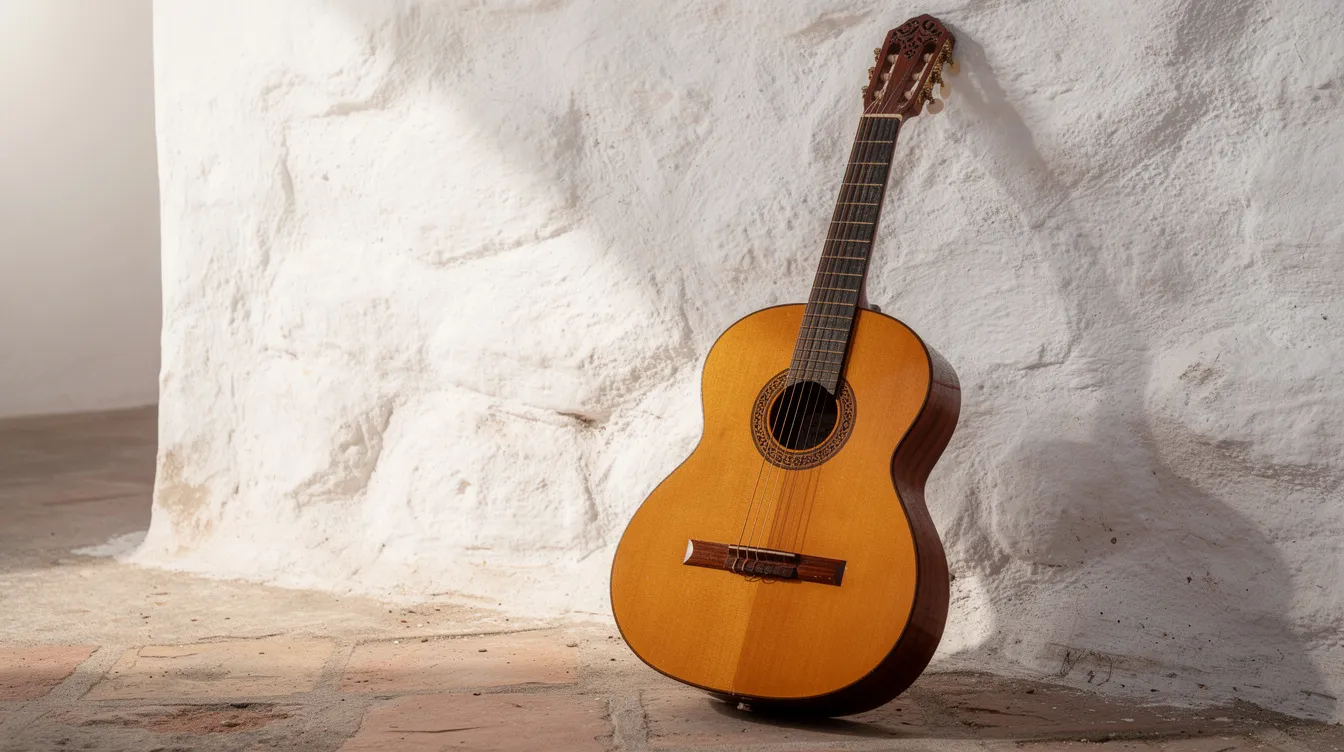
Flamenco music emerged from Andalusia through 15th-century fusion of Gitano, Moorish, and Sephardic influences. Recognized by UNESCO in 2010 as Intangible Cultural Heritage, some of its key artists include:
-
Paco de Lucía – Almoraima (1976 album) revolutionised rumba flamenca with jazz fusion; guitar virtuoso who sold over 1 million copies
-
Camarón de la Isla – La leyenda del tiempo (1979 album) electrified purists by adding rock elements
-
Rosalía – El mal querer (2018 album) earned 7x platinum status, reaching Billboard #1 Latin by merging flamenco with reggaeton and electronic production; 400M+ streams demonstrate its international recognition, particularly among Gen-Z audiences
Regional Folk Traditions:
-
Galician gaita (bagpipes) – Carlos Núñez’s A Irlanda do Norte (1996) explores Celtic connections; he has toured over 50 countries
-
Basque trikitixa – Diatonic accordion groups performing at herri fiestak (town festivals)
-
Castilian and Aragonese jotas – Traditional dances with castanets appearing at fiestas and other special occasions
Spanish Pop and Rock Milestones:
-
1980s Movida Madrileña – Post-Franco cultural explosion including Alaska y Dinarama’s ¿A quién le importa? (1986)
-
Héroes del Silencio (1984–1996) – Zaragoza goth-rock band selling 7 million albums
-
21st-century acts: Alejandro Sanz (50M+ records), Aitana (Operación Triunfo 2017 winner, €100M+ tours), indie band Vetusta Morla (Un día en el mundo, 2008)
Child-Friendly and Educational Music:
-
Cantajuego (2004 onward, 2M YouTube subscribers) – Interactive songs teach colors, verbs, and concepts through theatre tours for ages 2–8
-
RTVE’s Los Lunnis (2006 onward) – Puppet characters teach the alphabet and days of the week
Study tip: Listening to and analysing song lyrics can help you to improve your pronunciation patterns as well as understanding cultural references.
Daily Life, Festivals, and Values Reflected in the Arts
Books, films, and music reflect authentic aspects of Spanish daily life: family meals featuring the mediterranean diet with olive oil and rice dish variations, school routines, regional festivals, and evolving social values like equality and inclusion that define modern spain.
Daily Rhythms in Culture:
-
Typical Spanish schedules appear throughout cultural works: later lunches around 2–4pm, long sobremesa conversations (post-meal gatherings that often last around 1–3 hours), and evening paseo walks in plazas - these routines are frequently featured in novels, films, and songs.
Family and Community:
-
Many children’s books, teen series, and songs depict multi-generation households where older people (especially grandparents, who serve as primary caregivers for 25% of Spanish children) play central roles.
-
Friendships that traverse social pressures and regional lines appear frequently in YA literature and TV series like Cuéntame cómo pasó.
National Festivals in Culture:
-
Semana Santa (Holy Week) processions leading to Easter Sunday appear in many documentaries and films
-
Las Fallas in Valencia (March) features satirical sculptures that are burned as part of the celebrations
-
San Fermín in Pamplona (July 6–14) this bull-running festival attracts 1 million tourists; many cultural documentaries capture the atmosphere, with some also exploring the tradition's risk elements
-
La Tomatina and other regional celebrations showcase Spain’s strong sense of community celebration
Modern Values:
-
Spanish culture today highlights gender equality (Spain ranks 8th globally per 2023 World Economic Forum), respect for diverse family models, and LGBT+ inclusion are visible in many modern TV series, YA novels, and contemporary music
-
Madrid Pride attracts 2 million attendees, reflecting values celebrated across visual arts and entertainment
Regional Identity:
-
Catalan senyera flags appear frequently in Barcelona-set films
-
Basque landscape and mythology heavily shape literature from the region
-
Galician coastal and rural life influences novels set in most parts of northwestern Spain
Works by famous visual arts figures - from Francisco de Goya to El Greco, to modern Spanish artists like Joan Miró, Salvador Dalí, Juan Gris, Alberto Sánchez, and Pablo Picasso - reflect these same regional influences and aesthetic ideals.
The Royal Palace in Madrid and historic architecture throughout Spain provide a backdrop for countless literary works and films, while Spanish cuisine (from rice-dish paella variations to detailed drinking traditions) appears as an important part of storytelling across all mediums. This long history of cultural production has influenced many centuries' worth of world art.
The vast majority of these cultural expressions- from food to flamenco to festivals - capture what makes Spanish identity so unique: a blend of regional diversity, historical depth, and contemporary openness.
Start Your Spanish Learning Journey with FindTutors
Want to enjoy Spanish culture on a whole new level?
Discover the advantages of personalised Spanish lessons tailored to your needs with FindTutors. Whether you’re a beginner linguist, or simply aiming to deepen your cultural understanding, our platform connects you with qualified tutors for a flexible and effective learning experience.
Why Choose FindTutors?
-
Personalised lessons designed to match your proficiency level and interests
-
Access to experienced private Spanish tutors specialising in language, culture, literature, and more
-
Flexible scheduling with both online Spanish lessons and in-person Spanish classes
-
Our unique two-way search system lets you post a student ad to find your ideal tutor
-
No comission fees or hidden subscriptions
-
Trusted reviews and tutor profiles to help you find the perfect match
-
Prepare for exams, improve conversation skills, or explore advanced topics
Explore Spanish your way and discover new interests with expert guidance!
FAQs
What is the best age to start exploring Spanish culture through books, films, and music?
Children can start as early as preschool with simple songs like Cantajuego, picture books, and short animated series like Los Lunnis. Older kids and teens can gradually progress to chapter books like Manolito Gafotas and age-appropriate films like Tadeo Jones. Content should be tailored to maturity level as well as age. Adults at any stage can begin with graded readers and accessible family-friendly films before approaching more complex classics.
Do I need to speak Spanish well to enjoy these cultural works?
Beginners can use translations, subtitles, bilingual editions, and simplified-language resources while still gaining significant cultural insight. Combining native-language versions for story comprehension with short Spanish excerpts can help you to build up your language skills.
How can teachers or parents use this guide in the classroom or at home?
Create themed weeks or months - 'Spanish Film Week' or 'Music of Andalusia Month' - using a selection of recommended works. Encourage projects such as book reviews, poster presentations about a Spanish film director or singer, or film viewings followed by discussions in both English and Spanish.
Is Spanish culture the same across all regions of Spain?
Spain has 17 autonomous communities with their own histories, traditions, and sometimes co-official languages, and as such cultures vary significantly. Catalonia, the Basque Country, Galicia, and Andalusia each maintain distinct identities which are visible in literature, music, and film. Exploring works from different regions provides a fuller, more detailed picture of Spain as a nation.
How can I combine cultural learning with exam preparation (DELE, school tests, etc.)?
Use short literary texts, news articles about films and music, as part of your reading and listening practice: write summaries, listen to music, and express opinions on books, films, and song lyrics. A private Spanish tutor can ensure that your resources are aligned with the appropriate exam level, while building real-world cultural knowledge that extends beyond test day.
Learning Spanish - How Words Unlock Worlds
Exploring Spanish culture through its rich literature, captivating films, and vibrant music offers an immersive way to connect with the language and traditions of Spain. Whether you are a student eager to deepen your understanding or a lifelong learner seeking to appreciate the diverse regional identities and artistic expressions, a personalised study plan can make all the difference!

At FindTutors, we connect you with qualified private tutors who tailor lessons to your interests and proficiency level. From immersing yourself in classic Spanish literature to enjoying flamenco rhythms and discussing iconic films, our tutors can help you engage meaningfully with Spanish culture through the language itself.
¿Listo para empezar? Find your ideal tutor today and unlock the full experience of Spanish language and culture with expert support every step of the way!
Did you like this article? Share it now
Spanish tutor in Barcelona Ciudad specalised in offering online lessons classes adapted to the needs of each student. My classes are designed to help you reach your goals.
Teaches Catalan, Spanish, French, Photography, Maths, All courses, GCSEs and A Levels for adults, Physics, History, Latin, German, English as a foreign language and English Language classes
Use our Smart Finder