 1Like
1Like


- Blog
- Statistics
- Summer slide statistics for 2026
Summer Slide Statistics 2026: What the Data Shows About Summer Learning Loss

More than 65% of UK tutors say at least half their students return to lessons in September having lost academic momentum or confidence, according to new summer slide statistics from a FindTutors survey. These statistics on summer learning loss reveal exactly how widespread the problem is, and what actually helps.
Looking for support before term restarts? Browse online tutoring options to help your child pick up where they left off.
Content Table
- Key stats at a glance
- How the Data Was Gathered
- What Is the Summer Slide?
- Our Key Survey Findings
- How Much Practice Prevents Learning Loss?
- Rising Demand for Tutoring Before the School Year Restarts
- Keeping Kids Learning Without It Feeling Like School
- What the data tells us on summer learning loss
- Frequently Asked Questions on Summer Learning Loss
Key stats at a glance:
- 65,15% of tutors say half or more of their students lose academic momentum over summer,
- 42,80% of tutors say just 30 to 60 minutes of weekly practice is enough to significantly reduce learning loss,
- 33,51% of tutors report noticeably higher demand for lessons just before school restarts,
- 18,17% of tutors say most students actually return fine, showing the picture isn't uniform.
How the Data Was Gathered
These summer learning loss facts and data come from a July 2026 FindTutors survey of 743 UK-based tutors who had taught during the last school year. Tutors were asked about the academic and confidence-related effects they observe in students returning after the summer break, what helps prevent this loss, and how demand for their services shifts across the holiday period. The survey ran with a 100% completion rate among the 743 respondents who started it.

What Is the Summer Slide?
The "summer slide," also called summer learning loss, describes the tendency for students to lose some of the academic knowledge, skills, or confidence they built up during the school year over the summer holidays. It's one of the most talked-about issues in education, and these summer slide statistics show why: for many tutors, it's a real and recurring pattern rather than a myth.
For structured support that keeps momentum going without turning summer into a second school term, our guide on how to avoid the summer slide breaks down practical, low-pressure strategies.
Common Signs of Summer Learning Loss According to Tutors
Tutors were asked what the earliest sign is that a student has lost momentum over the break:
|
Early sign |
% of tutors |
|
They make basic mistakes they didn't make before. |
31,36%. |
|
They seem tired or less engaged in general. |
23,69%. |
|
They need more repetition than usual to remember things. |
22,34%. |
|
They avoid starting the lesson or seem reluctant. |
20,59%. |
|
Other. |
2,02%. |
The most common early sign, by a clear margin, is students making basic mistakes they wouldn't have made before the break, a pattern reported by nearly a third of tutors.
Statistics on Summer Learning Loss: Our Key Survey Findings
How many tutors believe students actually lose academic momentum or confidence during summer?
Asked how many of their students return in September having lost academic momentum or confidence, tutors gave the following breakdown:
|
Response |
% of tutors |
|
None. |
12,38%. |
|
Almost none. |
10,09%. |
|
Half. |
22,75%. |
|
More than half. |
23,82%. |
|
Almost all. |
13,73%. |
|
All. |
4,85%. |
|
Not sure. |
12,38%. |
Combining "half," "more than half," "almost all," and "all" gives a headline figure: 65,15% of tutors say at least half their students lose ground over the break, one of the clearest statistics on summer learning loss to come out of the survey.
It's not a uniform picture, though. A notable 18,17% of tutors said most of their students actually return fine and that summer slide isn't usually an issue for them, a useful counterpoint to the headline number.
According to tutors, what's really behind students struggling to return to school?
Tutors were also asked what's really behind students returning "rusty". According to them:
|
Reason |
% of tutors |
|
Lost knowledge, meaning forgotten content or skills. |
22,34%. |
|
Lost motivation, meaning students know the material but don't want to engage. |
20,05%. |
|
Lost confidence, meaning students are unsure of themselves even if they remember the material. |
10,23%. |
|
All of the above. |
29,21%. |
|
Most students return fine, this isn't usually an issue. |
18,17%. |
Browse our secondary level tutors
How Much Practice Prevents Learning Loss? Here’s What Tutors Recommend
How much regular practice during the holidays would meaningfully reduce learning loss?
Tutors were asked how much short, regular weekly practice during the holidays would meaningfully reduce learning loss and confidence gaps:
|
Weekly practice time |
% of tutors |
|
No time needed. |
2,56%. |
|
Less than 30 minutes. |
14,40%. |
|
30 to 60 minutes. |
42,80%. |
|
1 to 2 hours. |
28,13%. |
|
More than 2 hours. |
7,00%. |
|
Not sure. |
5,11%. |
The clear consensus among tutors: 30 to 60 minutes a week is enough to make a real difference, one of the more actionable summer learning loss facts for parents wondering how much is "enough."
Which type of summer activity works best to help students prevent summer slide?
Asked which type of summer activity works best to keep learning alive without feeling like school, tutors pointed to the following:
|
Activity |
% of tutors |
|
Reading for pleasure. |
38,76%. |
|
Short structured sessions with a tutor. |
38,76%. |
|
Summer camps or group activities. |
35,53%. |
|
Travel and using a foreign language in real-world situations. |
26,11%. |
|
Games and apps. |
25,17%. |
|
Everyday maths such as shopping, cooking, and budgeting. |
25,03%. |
External research backs this up: a 2024 survey of nearly 1,000 US teachers by Progress Learning found that only 31% of teachers agreed or strongly agreed that students had retained what they learned from the previous year, reinforcing how widespread the concern is beyond the UK tutoring community alone.
Rising Demand for Tutoring Before the School Year Restarts
Does demand for tutoring increase before school starts?
Tutors also reported a clear seasonal pattern in demand. Compared to earlier in the summer, tutors said demand for sessions just before school restarts is:
|
Demand level |
% of tutors |
|
Noticeably higher. |
33,51%. |
|
Slightly higher. |
27,32%. |
|
About the same. |
20,32%. |
|
Lower. |
10,36%. |
|
Not applicable, doesn't offer sessions at this time of year. |
8,48%. |
Over 60% of tutors see some increase in demand for tutoring as the new term approaches, which lines up with parents scrambling to close gaps before September. If you're looking to book support ahead of the new term, our guide on how to find a tutor for the summer holidays can help you get matched quickly.
Parent Advice From Tutors: Keeping Kids Learning Without It Feeling Like School
When asked what advice they'd give parents, tutors converged on a few consistent themes for tackling summer learning loss, drawn from hundreds of open-text responses. Here's what they recommend, in more detail.
1. Fold learning into everyday life
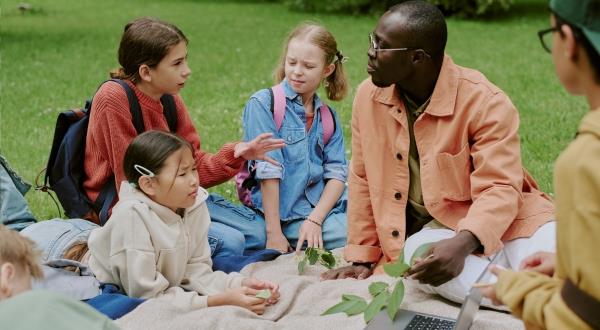
Tutors consistently point to everyday moments as the easiest way to keep skills active without any formal "lesson" feel. Cooking becomes a maths exercise through measuring and fractions, budgeting a shopping trip introduces percentages and addition, and travel naturally opens the door to using a foreign language in real conversations.
This approach works because it doesn't ask children to switch into "school mode," the learning happens as a side effect of something they're already doing. It's a low-pressure way to keep core skills warm across the holidays, and it's one of the most repeated pieces of advice across our survey responses.
2. Keep sessions short, around 15 to 20 minutes
Rather than long, structured study blocks, tutors recommend short bursts of focused practice, typically 15 to 20 minutes at a time. This lines up closely with our survey findings: 42,80% of tutors say 30 to 60 minutes of practice a week, spread across the summer, is enough to meaningfully reduce learning loss.
Short sessions are easier to sustain consistently, less likely to trigger resistance from children on holiday, and still add up to a meaningful amount of practice over several weeks without ever feeling like a return to term-time routine.
3. Let children choose books, games, or topics that genuinely interest them
Choice matters. Tutors report that children stay far more engaged when they can pick their own books, games, or topics rather than being assigned material. A child who loves space might retain more from a documentary or a library book on planets than from a generic reading list.
This mirrors what tutors highlighted as effective activities in our survey, reading for pleasure and games or apps were both cited by well over a quarter of tutors as strong ways to keep learning alive without it feeling like school.
4. Prioritise consistency over intensity
A little practice, done regularly, consistently outperforms occasional long sessions according to the tutors surveyed. Ten minutes most days builds more durable retention than a single two-hour catch-up session once a week.
This principle came up again and again in tutor responses, framed as "little and often." It also removes pressure from parents, there's no need to carve out large blocks of time, just a small, repeatable habit that fits around holiday plans, days out, and downtime.
5. Use short, structured tutor sessions to keep a light touch of academic structure
For families who want a bit more structure without recreating the classroom, tutors suggest short, focused sessions with a private tutor. This was one of the most recommended activities in our survey, cited by 38,76% of tutors as one of the best ways to keep learning alive over summer. A weekly or fortnightly session can keep momentum going, flag any gaps early, and take the pressure off parents to manage everything themselves.
These patterns reflect the same summer learning loss facts seen in the quantitative data: short, regular, low-pressure engagement is what tutors consistently recommend over intensive catch-up work.

What the data tells us on summer learning loss
Across this survey, three findings stand out. First, the majority of tutors, 65,15%, see real learning or confidence loss in at least half their students each September.
Second, tutors agree the fix doesn't need to be intensive: 30 to 60 minutes a week of the right kind of practice, paired with reading and everyday learning, makes a meaningful difference.
Third, demand for tutoring rises noticeably as the new term approaches, showing many families act on this pattern each year.
For support that fits into summer without feeling like school, explore online or in-person tutoring options tailored to your child's needs.
Browse our primary level tutors
Frequently Asked Questions on Summer Learning Loss
➕ What does the term summer slide mean? |
|
The summer slide, or summer learning loss, refers to the tendency for students to lose some academic knowledge, skills, or confidence during the school summer holidays. According to our survey, 65,15% of UK tutors see this in at least half their students each year. |
➕ What are good summer learning activities? |
|
Tutors most commonly recommend reading for pleasure and short structured tutor sessions, both cited by 38,76% of tutors, followed by summer camps, cited by 35,53%, and using a foreign language while travelling, cited by 26,11%. |
➕ Why does summer learning loss happen? |
|
Tutors point to a mix of causes: lost knowledge, lost motivation, and lost confidence. Nearly 3 in 10 tutors, 29,21%, say it's usually a combination of all three rather than a single factor. |
➕ How many tutors report rising demand for lessons before the new school year? |
|
Over 60% of tutors report some rise in demand just before term restarts, with 33,51% describing the increase as noticeably higher compared to earlier in the summer. |
➕ How much of a difference does short, regular summer practice make, according to tutors? |
|
Most tutors, 42,80%, say just 30 to 60 minutes of weekly practice is enough to significantly reduce learning loss and confidence gaps before students return to school. |
SourcesOur survey🔗 FindTutors UK Tutor Survey on Summer Slide, from a July 2026 FindTutors survey of 743 UK-based tutors who had taught during the last school year. External sources🔗 Summer Learning Loss Statistics – 2024 Survey of K-12 Teachers, Progress Learning |
Did you like this article? Share it now
Statistics tutor in Barcelona Ciudad specalised in offering online lessons classes adapted to the needs of each student. My classes are designed to help you reach your goals.
Teaches Catalan, Spanish, French, Photography, Maths, All courses, GCSEs and A Levels for adults, Physics, History, Latin, German, English as a foreign language and English Language classes
Use our Smart Finder