 Like
Like

Exploring 15 Spanish-speaking countries: Essential facts and figures

Spanish is a truly global language with an extraordinary reach. The second most spoken language in the world by number of native speakers, Spanish is widely spoken across Europe, Latin America, Central America, South America and parts of Africa.
Today, there are 21 Spanish-speaking countries where Spanish is the official or national language, and many other regions where people speak it as a second language.

In this article, we'll explore los puntos claves from 15 different Spanish-speaking countries, including their populations, capital cities, geographies, and cultures!
Content Table
Key takeaways
-
Spanish is the second most spoken language at the global level by number of native speaker
-
Significant populations speak Spanish as a second language in the USA, Brazil, and Morocco
-
Learning about the cultures of different Spanish-speaking countries can improve your communication and understanding in the language
-
Mexico is the largest Spanish-speaking country in the world, while the smallest is Equatorial Guinea
-
Coaching with a private Spanish tutor is the best way to deepen your knowledge of the Spanish-speaking world, giving you a edge in exams and professional relationships
Why do I need to learn about Spanish-speaking countries?
Spanish is not limited to one single place or culture! Although it is officially the same language from region to region, Spanish varies slightly across different countries, influenced by their unique histories, pronunciation and local vocabulary.
Spanish is a primary language for millions of people in Europe and Latin America, while in other places it functions as a secondary language, with significant populations of Spanish-speakers residing in the Florida Peninsula and throughout the USA.
Learning about a variety of Spanish-speaking countries helps you:
-
Understand a range of accents applied to standard Spanish usage
-
Appreciate cultural diversity across the Spanish-speaking world
-
See how Spanish connects Europe, the Americas and Africa
-
Stay motivated by linking the language to real places and people!
¿Listo para empezar? ¡Vamos a viajar!
Spain
Population: ~48 million
Capital city: Madrid
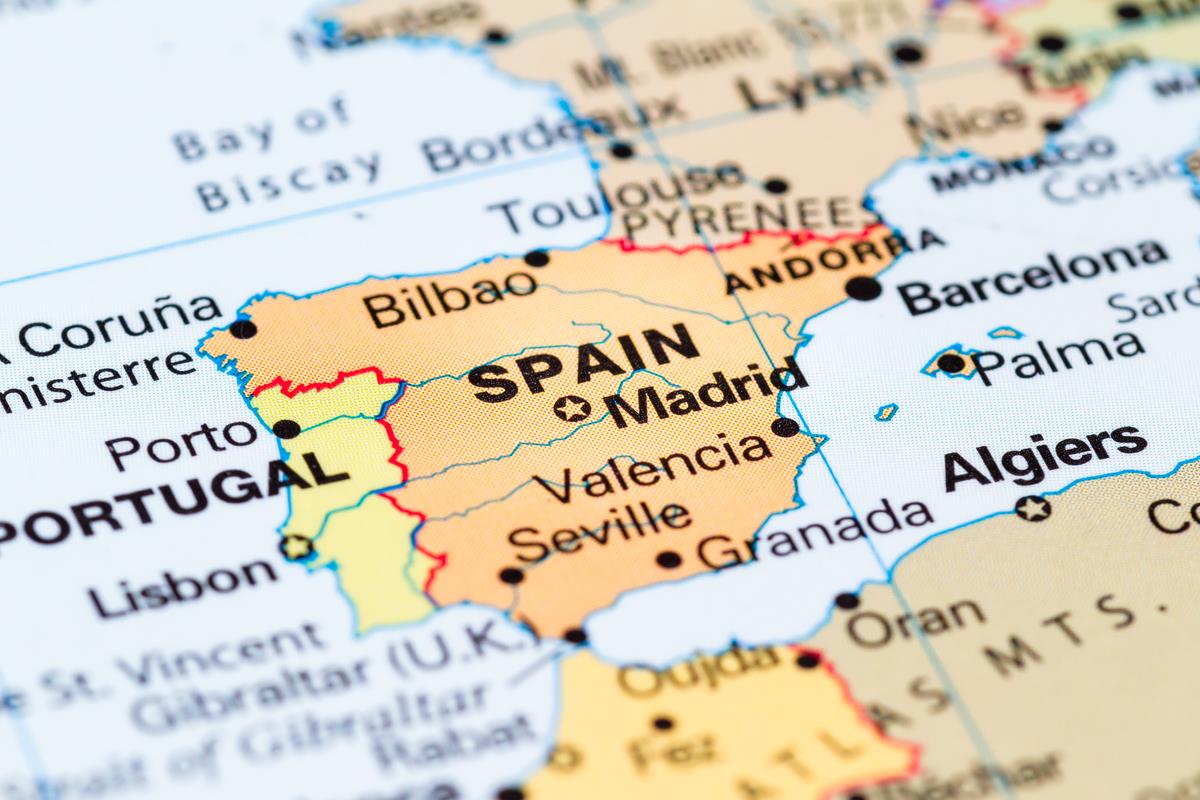
Spain is the birthplace of the Spanish language, acting as a cultural reference point for learners around the world. From historic cities to modern life, the Spanish spoken in Spain has a significant influence on the grammar and pronunciation taught internationally. The country is also a hub of art, architecture and cuisine, making it especially appealing for students who are keen on cultural immersion!
-
Spain is home to Gaudí’s Sagrada Familia, one of the world’s most famous architectural masterpieces
-
Around 13% of Spain’s GDP comes from tourism, highlighting the country's global cultural and travel appeal
-
Famous people from Spain include the artist Pablo Picasso, and film director Pedro Almodóvar
Mexico
Population: ~129 million
Capital city: Mexico City
Mexico is the largest Spanish-speaking country in the world by population. Mexican Spanish is widely understood throughout Latin America, the USA and Europe, and is commonly used in films, TV and learning materials. From north to south, the country blends ancient civilisations with vibrant modern cultures, making it ideal for contextual language learning.
-
Mexico City is built on ancient ruins of the Aztec civilisation
-
Approximately 60% of Mexico’s population lives in urban areas with over 100,000 residents
-
Famous people from Mexico include the artist Frida Kahlo and filmmaker Guillermo del Toro
Argentina
Population: ~47 million
Capital city: Buenos Aires
Argentina is home to a unique variety of Spanish heavily shaped by European immigration, particularly from Italy. The country's accents, and use of vos instead of tú, expose learners to natural language variation. Argentina's artistic scene, especially in Buenos Aires, makes it a fascinating and dynamic country for advanced Spanish learners.
-
About 92% of Argentinians live in cities, making it one of the most urbanised countries in South America
-
Argentina is the birthplace of tango
-
Famous people from Argentina include the footballer Lionel Messi and writer, Jorge Luis Borges
Colombia
Population: ~52 million
Capital city: Bogotá
Colombia's terrain features active volcanoes, tropical beaches, rainforests, deserts, and snow-capped mountains. These varied landscapes provide rich habitats - the country has more species of bird species than anywhere else in the world! Colombia is also a world-renowned producer of coffee, with its Coffee Cultural Landscape recognised as a UNESCO World Heritage Site.
-
Colombia has coastlines on both the Pacific Ocean and the Atlantic coast
-
Roughly 10% of the world’s biodiversity is found in Colombia, despite the country covering less than 1% of Earth’s land surface
-
Famous people from Colombia include the singer Shakira, and writer Gabriel García Márquez
Peru
Population: ~34 million
Capital city: Lima
Spanish is one of Peru's three official languages, in addition to Quechua and Aymara. Together with Bolivia, Peru is home to the Central Andes mountains, which form part of the longest mountain ranges in the world. The nation is known for its fusion cuisine, Nikkei, which has its origins in Japanese immigration.
-
Peru was the heart of the Inca Empire, with Machu Picchu as its most famous site
-
Nearly 60% of Peru’s territory is covered by the Amazon Rainforest
-
Famous people from Peru include the novelist, journalist and politician Mario Vargas Llosa
Chile
Population: ~19 million
Capital city: Santiago
Chile's geography is incredibly diverse, ranging from deserts to remote islands. In the south, the country includes part of Patagonia, which is known for its glaciers and fjords. A global player within wine production, Chile also exports fruit such as grapes, cherries and blueberries.
-
Chile is home to the Atacama Desert, the driest desert on Earth
-
Chilean Spanish has been heavily influenced by Andalusian dialects from Spain
-
Famous people from Chile include the poet Pablo Neruda
Bolivia
Population: ~12 million
Capital city: La Paz (seat of government), Sucre (constitutional capital)
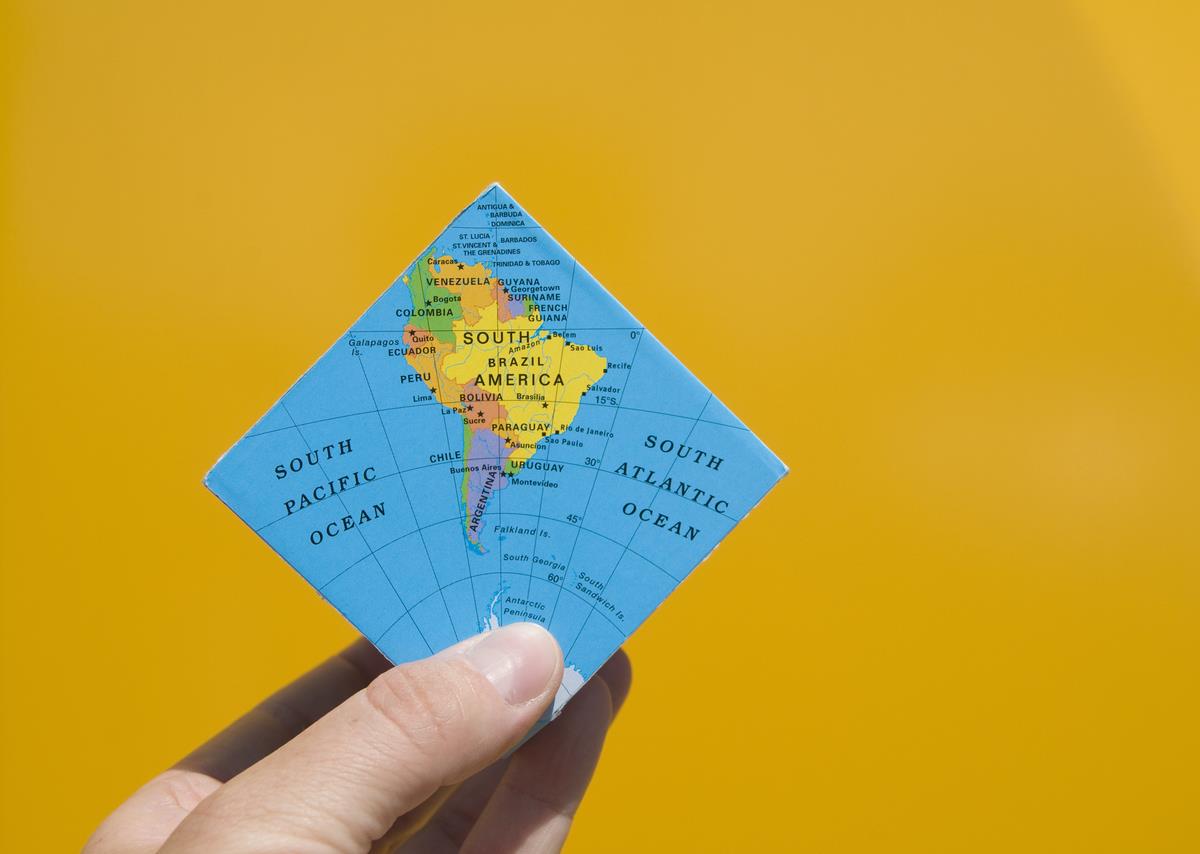
Bolivia is one of the most culturally diverse countries in Latin America, recognising Spanish and 36 indigenous languages as official languages! The country includes part of Lake Titicaca, the world's highest navigable lake.
-
Bolivia is a landlocked country in central South America, bordered by Brazil, Peru, Chile, Argentina, and Paraguay
-
Bolivia is home to the Salar de Uyuni, the world’s largest salt flat
-
Famous people from Bolivia include the politician and former president Evo Morales
Cuba
Population: ~11 million
Capital city: Havana
Cuba is the largest island in the Caribbean, and has over 5,000 km of coastline. The country's culture has had a significant impact on a variety of global music genres, including salsa, son, mambo, and rumba.
-
Cuba is famous for its preserved 1950s American cars, which are still in use.
-
Cuba boasts 11 UNESCO World Heritage Sites, including Old Havana, the city centre of the country's capital.
-
Famous people from Cuba include the singer Celia Cruz
Costa Rica
Population: ~5 million
Capital city: San José
Costa Rica is located in Central America, bordered by Nicaragua to the north and Panama to the south. One of the country's most well-known natural landmarks is the Arenal Volcano, which attracts tourists from around the world.
-
The phrase pura vida ('pure life') is widely used throughout Costa Rica, including as a response to ¿Cómo estás?
-
Around 25% of Costa Rica’s land area is protected as national parks or reserves.
-
Famous people from Costa Rica include the lawyer, economist and former president Óscar Arias
Panama
Population: ~4.5 million
Capital city: Panama City
Panama plays an important role in global trade due to the Panama Canal, which connects the Atlantic and Pacific Oceans. While Spanish is the official language, English is widely used for business and tourism, with the US dollar classed as an official currency together with the Panamanian balboa.
-
Panama is a founding member of the United Nations and the World Health Organisation
-
Approximately 40% of Panama’s GDP is linked to services connected to the Panama Canal
-
Famous people from Panama include the medical doctor and novelist Rosa María Britton
Uruguay
Population: ~3.5 million
Capital city: Montevideo
Uruguay is located in southern South America, bordered by Brazil and Argentina, and its capital Montevideo is home to almost half of the country’s population! Like Argentina, asado is an integral part of national cuisine in Uruguay, with the country officially having more cows than people!
-
Uruguay was the first country to win the FIFA World Cup
-
Over 97% of Uruguay’s electricity comes from renewable energy sources
-
Famous people from Uruguay include the journalist and novelist Eduardo Galeano
The Dominican Republic
Population: ~11 million
Capital city: Santo Domingo
The Dominican Republic speaks Spanish as an official language, with a diverse a mix of European and African influences on vocabulary and pronunciation. The country is famous for its tropical beaches, particularly those found in Punta Cana and Puerto Plata.
-
The Dominican Republic is home to Pico Duarte, the highest mountain in the Caribbean
-
Tourism contributes around 17% of the national economy, making it a key industry
-
Famous people from the Dominican Republic include the fashion designer Oscar de la Renta
Guatemala
Population: ~18 million
Capital city: Guatemala City
The Guatemalan capital, Guatemala City, is the largest city in Central America by population. Although Spanish is one the country's official language, it also recognises 22 Mayan languages, together with Xinca, and Garifuna. The volcano-surrounded city of Antigua Guatemala is a listed UNESCO World Heritage Site.
-
Lake Atitlán is located within a large volcanic crater in Guatemala's southwestern highlands
-
Nearly 43% of Guatemala’s population is under the age of 20, making it one of the youngest populations in the region
-
Famous people from Guatemala include the Guatemalan-American entrepreneur and software developer Luis von Ahn
El Salvador
Population: ~6.5 million
Capital city: San Salvador
El Salvador is the smallest and most densely populated Spanish-speaking country in Central America. The country attracts adventure travellers seeking to explore its volcanic hiking routes and Mayan ruins, in addition to surfing, which is a popular activity along its Pacific coast.
-
Corn, rice, shrimp, coffee and sugar are the country's primary agricultural products
-
El Salvador was the first country to adopt Bitcoin as legal tender, alongside the US dollar
-
Famous people from El Salvador include the journalist and poet Claudia Lars
Equatorial Guinea
Population: ~1.5 million
Capital city: Malabo
Equatorial Guinea is the only Spanish-speaking country in Africa, with French and Portuguese also classed as official languages. The country also has a number of indigenous languages, including Fang, Bube and Kombe, which hold recognised regional status. Equatorial Guinea's capital city of Malabo is located on Bioko Island.
-
Spanish is the official language, alongside French and Portuguese.
-
Around 90% of export revenue comes from oil and gas production.
-
Famous people from Equatorial Guinea include the actress Sonia Okomo

Want to learn more?
The Spanish language connects continents, cultures and histories. From Spain to Mexico, Cuba to Equatorial Guinea, it reflects the blending of shared heritages with local identities.
Working with private online Spanish tutors means that you can enjoy tailored lessons in a fun and engaging way on your own schedule. Make the journey of learning Spanish richer and more accessible and become part of the global community today!
Did you like this article? Share it now
Spanish tutor in Barcelona Ciudad specalised in offering online lessons classes adapted to the needs of each student. My classes are designed to help you reach your goals.
Teaches Catalan, Spanish, French, Photography, Maths, All courses, GCSEs and A Levels for adults, Physics, History, Latin, German, English as a foreign language and English Language classes
Use our Smart Finder